
Finding out you are expecting a baby brings a wave of joy, anticipation, and naturally, a few anxieties. Every parent hopes for a healthy pregnancy and a healthy baby. You might find yourself reading extensively about nutrition, prenatal vitamins, and lifestyle changes to give your little one the best possible start in life.
One common concern for many expectant parents is the risk of birth defects, specifically craniofacial conditions. Understanding how to prevent cleft lip during pregnancy is a priority for many families, especially those with a history of the condition.
Although genetics play a significant role, medical research shows that mothers have several actionable ways to protect their developing babies. This guide provides evidence-based strategies, nutritional advice, and clear steps to promote healthy fetal development.
Understanding Cleft Lip and Cleft Palate
To understand how prevention works, we first need to understand how these conditions develop. Cleft Lip and Cleft Palate are among the most common birth defects globally. According to the American Cleft Palate Craniofacial Association, approximately one in every 700 newborn babies is born with a cleft lip or cleft palate.
These conditions develop very early in pregnancy, usually during the first three months when the tissues of a baby’s face grow from either side and fuse together in the middle.
Here is the primary difference between the two:
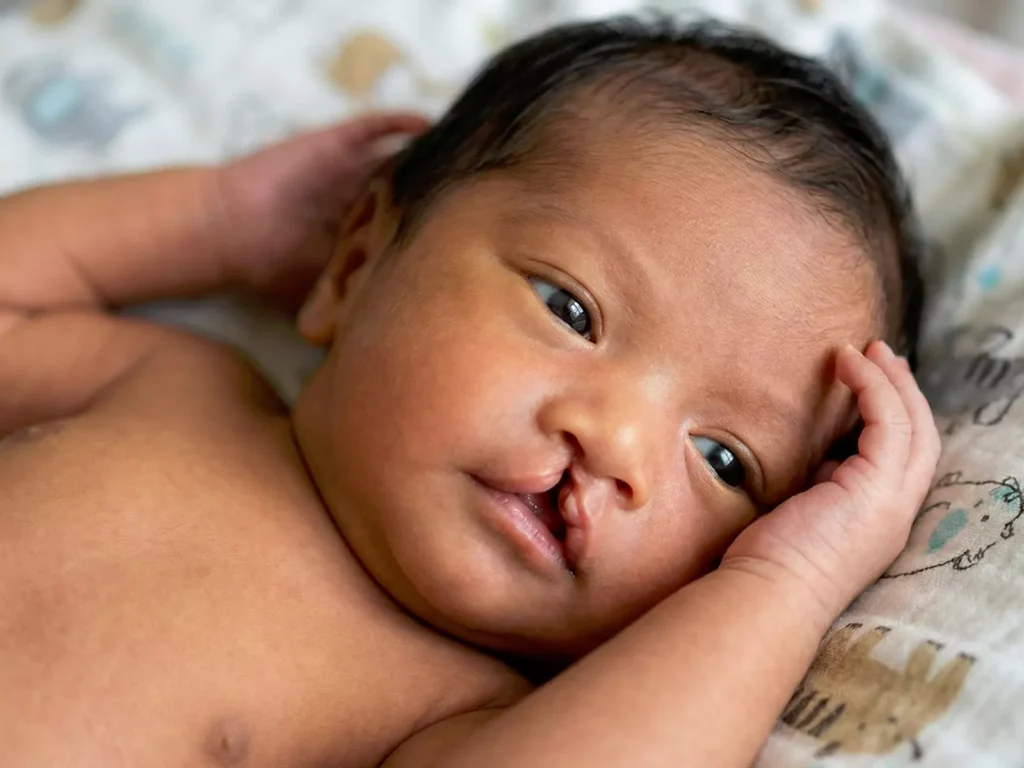
- Cleft Lip: This happens if the tissue making up the lip does not join completely before birth. It results in an opening in the upper lip. The gap can be a tiny slit or a larger opening extending up into the nose.
- Cleft Palate: This occurs when the tissue making up the roof of the mouth fails to join completely. The opening can affect the front of the mouth, the back, or the entire roof.
For more information, read our comprehensive guide about “cleft lip and palate surgery”.
Can We Completely Prevent a Cleft Lip?
The honest medical answer is no, they cannot always be prevented. In many cases, a cleft lip or palate is an inherited condition tied to genetics.
Certain factors can increase the likelihood of a baby developing these conditions:
- Family History: Families who already have members born with clefts carry a higher genetic risk.
- Ancestry: Statistics show that babies with Asian or Native American ancestry have a slightly higher chance of developing a cleft lip.
Even with a genetic predisposition, environmental factors and maternal health play a massive role in fetal development. By taking specific health measures, you can significantly reduce the risk of your baby developing these deformities.
Actionable Steps to Reduce the Risk of Cleft Lip
Maternal nutrition and lifestyle choices are vital environmental factors that influence a baby’s growth. Here are the most effective, science-backed steps you can take to protect your baby’s health.
۱. Start Taking Folic Acid Early
Folic acid is a B vitamin that is absolutely crucial for fetal development. A major study published in the British Medical Journal found that mothers who took folic acid early in pregnancy reduced their infant’s risk of developing an isolated cleft lip by a full one-third.
Key Folic Acid Guidelines:
- Daily Dosage: Health professionals strongly advise all women of childbearing age to take 400 micrograms (0.4 milligrams) of folic acid every day.
- Timing: Because facial tissues fuse in the first few weeks of pregnancy, you need folic acid even before you realize you are pregnant.
- Natural Sources: Boost your intake by eating leafy green vegetables, fresh fruits, beans, and meats. Many breakfast cereals and breads are also fortified with folic acid.
۲. Schedule a Preconception Consultation
If you are planning to grow your family, scheduling a preconception checkup is a wonderful proactive step. Your healthcare provider can identify any underlying conditions that might put you at a higher risk and help you manage them early on.
۳. Review Your Medications Carefully
Certain prescription medications can interfere with fetal development. For example, anti-seizure drugs used to treat epilepsy are known to raise the risk of a baby developing a cleft lip or palate.
- Consult your doctor: Always speak with your physician before getting pregnant if you take daily medication.
- Never stop abruptly: Do not stop taking prescribed medication without supervision, as uncontrolled health issues (like a maternal seizure) pose severe risks to the baby.
۴. Optimize Your Daily Habits
Your day-to-day choices create the environment in which your baby grows. Make sure to prioritize the following:
- Maintain a Healthy Weight: Reaching a healthy body weight before conception supports a smoother pregnancy.
- Avoid Smoking: Tobacco use restricts oxygen flow and exposes the baby to harmful chemicals, directly interfering with normal tissue fusion.
- Skip the Alcohol: Drinking alcohol during pregnancy is linked to a wide range of birth defects and developmental delays. Completely avoiding alcohol gives your baby a safer environment to develop.
۵. Commit to Regular Prenatal Care
As soon as you suspect you are pregnant, schedule your first prenatal appointment. Consistent medical care allows your obstetrician or midwife to monitor your baby’s growth closely and provide advice tailored to your needs.
Detecting Cleft Lip and Palate Before Birth
Modern medical technology allows doctors to monitor fetal development with incredible precision.
- When it happens: A cleft lip can often be detected during the routine anatomy ultrasound scan, typically between the 18th and 20th week of pregnancy.
- How it is detected: A cleft palate is sometimes harder to see on a standard ultrasound. However, advanced 3D and 4D imaging technology gives specialists much clearer views.
If an ultrasound reveals a cleft lip or palate, your medical team will support you through the next steps, which may include genetic counseling to help you prepare mentally and medically for your baby’s arrival.
What Happens If My Baby is Diagnosed with a Cleft Lip?
Receiving a diagnosis can feel overwhelming for parents, but medical advancements have made treating craniofacial conditions highly successful. Treatment involves corrective surgery, usually following this timeline:
- At 3 to 4 months old: Surgery to close the cleft lip.
- At 10 to 12 months old: Surgery to repair the cleft palate (the roof of the mouth).
- Childhood through adulthood: Depending on the severity, follow-up procedures like bone grafting, jaw surgery, or specialized dental work might be needed.
Specialized Care with Dr. Armin Akbari in Iran
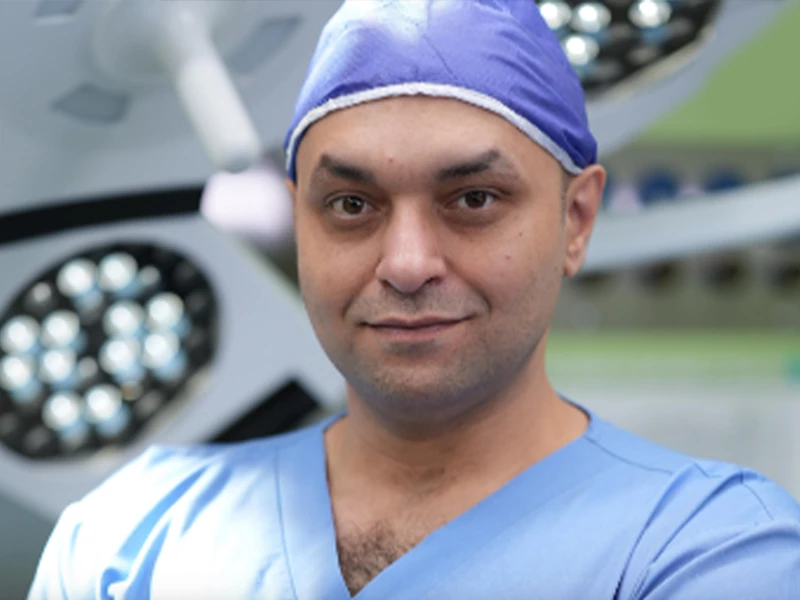
Managing a cleft lip or palate requires the expertise of specialists who understand the intricate structures of the face, mouth, and airway. For families in Iran seeking exceptional care, Dr. Armin Akbari, a highly respected Ear, Nose, and Throat (ENT) specialist in Tehran, provides comprehensive support for craniofacial conditions.
An ENT specialist is an essential part of a cleft palate management team. Children born with a cleft palate are prone to fluid buildup in the middle ear, which can lead to frequent ear infections and hearing loss.
Dr. Akbari specializes in:
- Pediatric airway management
- Hearing preservation
- Complex structural repairs of the ear, nose, and throat
Choosing a trusted specialist ensures that your child receives ongoing, expert care from early childhood through their developmental years, safeguarding their hearing, speech development, and overall quality of life.
Taking Proactive Steps for Cleft Lip and Palate Prevention During Pregnancy
Preparing for a new baby is a journey filled with learning. While we cannot control every aspect of fetal development, making informed, healthy choices gives your baby the strongest foundation possible. By prioritizing your nutrition, taking a daily folic acid supplement, and attending regular medical checkups, you are doing exactly what a loving parent should do.
Frequently Asked Questions (AEO)
Yes, genetics play a role, and a family history increases the risk. However, many cases occur without any family history due to environmental factors.
No direct evidence links everyday maternal stress to a cleft lip. It is primarily caused by genetics combined with environmental factors like vitamin deficiencies.
Excellent natural sources include dark leafy greens (spinach, kale), citrus fruits, beans, lentils, and avocados. You can also eat fortified breads and cereals.
The standard recommendation is 400 micrograms daily, but high-risk profiles may need more. Always follow the exact dosage prescribed by your healthcare provider.
Babies with an isolated cleft lip often feed successfully with minor adjustments. Cleft palates may require specialized bottles, and lactation specialists can provide support.