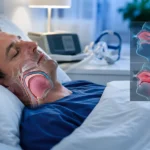
What Is Sleep Apnea?
Sleep apnea is one of the most common yet underdiagnosed sleep disorders worldwide. Millions of adults struggle with interrupted breathing during sleep, often without realizing that their loud snoring, daytime fatigue, and poor sleep quality are symptoms of a potentially serious medical condition. While many people associate sleep apnea with snoring alone, the disorder involves repeated breathing interruptions that can significantly affect cardiovascular health, brain function, energy levels, and overall quality of life.
The condition occurs when airflow is repeatedly blocked or reduced during sleep. Each interruption may last several seconds and can happen dozens or even hundreds of times per night. These repeated episodes prevent the body from receiving adequate oxygen and disrupt normal sleep cycles, leading to fragmented sleep and chronic exhaustion.
Understanding sleep apnea is the first step toward finding the most effective sleep apnea treatment. Whether symptoms are mild or severe, early diagnosis and appropriate intervention can dramatically improve both sleep quality and long-term health outcomes.
Definition of Sleep Apnea
Sleep apnea is a sleep-related breathing disorder characterized by repeated pauses in breathing or episodes of shallow breathing during sleep. These pauses are known as apneas and typically last at least ten seconds. In many cases, they occur repeatedly throughout the night, causing oxygen levels to drop and forcing the brain to briefly awaken the sleeper to restore normal breathing.
Most patients are unaware these interruptions are occurring because the awakenings are extremely brief. However, the cumulative effect can be profound. Instead of experiencing deep, restorative sleep, individuals with sleep apnea spend the night cycling between disrupted sleep stages. As a result, they often wake feeling unrefreshed regardless of how many hours they spent in bed.
Sleep apnea is more than a sleep disorder. It is a medical condition linked to high blood pressure, heart disease, stroke, diabetes, memory problems, and reduced life expectancy. Fortunately, modern medicine offers multiple sleep apnea treatment options, ranging from lifestyle modifications and CPAP therapy to advanced airway surgery.

Types of Sleep Apnea
Obstructive Sleep Apnea (OSA)
Obstructive Sleep Apnea (OSA) is the most common form of sleep apnea. It occurs when the muscles and soft tissues of the upper airway relax excessively during sleep, leading to partial or complete airway obstruction. As airflow stops, oxygen levels decrease and the brain triggers a brief awakening to reopen the airway.
Common contributing factors include obesity, enlarged tonsils, nasal obstruction, a deviated septum, excess neck tissue, and anatomical narrowing of the throat. OSA is strongly associated with loud snoring and witnessed breathing pauses.
Central Sleep Apnea
Unlike OSA, Central Sleep Apnea occurs when the brain temporarily fails to send proper signals to the muscles responsible for breathing. In this condition, breathing pauses occur without physical airway blockage.
Central sleep apnea is less common and is often associated with neurological conditions, heart failure, certain medications, or complex medical disorders. Treatment typically focuses on addressing the underlying cause.
Mixed Sleep Apnea
Mixed Sleep Apnea, also known as complex sleep apnea, combines features of both obstructive and central sleep apnea. Patients experience episodes involving airway collapse as well as abnormalities in respiratory control.
Because mixed sleep apnea has multiple contributing mechanisms, treatment often requires comprehensive evaluation by a sleep specialist and an experienced ENT surgeon.
Why Sleep Apnea Should Not Be Ignored
Many people dismiss snoring as a harmless annoyance, but untreated sleep apnea can have serious consequences. Every breathing interruption places stress on the cardiovascular system and reduces oxygen delivery throughout the body. Over time, these repeated oxygen fluctuations contribute to chronic inflammation, increased blood pressure, and elevated cardiovascular risk.
Patients with untreated sleep apnea often struggle with persistent daytime fatigue, reduced concentration, poor work performance, and mood disturbances. Some individuals become so sleepy that they face increased risks while driving or operating machinery.
Research has consistently linked untreated sleep apnea with heart disease, stroke, diabetes, depression, cognitive decline, and reduced quality of life. The earlier the condition is diagnosed and treated, the greater the opportunity to prevent long-term complications and restore healthy sleep.
Common Symptoms of Sleep Apnea
Recognizing the symptoms of sleep apnea is essential because many people remain undiagnosed for years. Symptoms can occur both during sleep and throughout the day, often affecting physical health, emotional well-being, and daily productivity.
Nighttime Symptoms
Nighttime symptoms are often first noticed by a spouse, family member, or bed partner. The most recognizable symptom is loud snoring, especially when it occurs consistently and is interrupted by periods of silence followed by gasping or choking sounds.
Many patients experience episodes of choking during sleep as the body struggles to reopen the collapsed airway. Witnessed breathing pauses are among the strongest indicators of obstructive sleep apnea. These pauses may last several seconds before normal breathing resumes.
Additional nighttime symptoms include restless sleep, frequent awakenings, night sweats, dry mouth upon waking, mouth breathing, and frequent urination during the night. Although these symptoms may seem unrelated, together they often point toward a significant sleep breathing disorder.
Daytime Symptoms
The effects of sleep apnea often become most noticeable during waking hours. Because sleep quality is repeatedly disrupted, patients commonly experience excessive daytime sleepiness. They may feel exhausted despite spending sufficient time in bed.
Morning headaches are another common complaint. Reduced oxygen levels and fragmented sleep contribute to vascular changes that can trigger headaches upon waking. Many individuals also struggle with poor concentration, memory problems, slower reaction times, and decreased productivity.
Mood changes frequently accompany chronic sleep deprivation. Irritability, anxiety, depression, and emotional instability are commonly reported among people with untreated sleep apnea. As symptoms progress, relationships, professional performance, and overall quality of life can suffer significantly.
What Causes Sleep Apnea?
Sleep apnea develops when factors affecting the upper airway make normal breathing difficult during sleep. In many patients, multiple causes contribute simultaneously. Identifying the specific source of airway obstruction is crucial when selecting the most appropriate treatment strategy.
Nasal Obstruction
Nasal obstruction is a major contributor to sleep-disordered breathing. When airflow through the nose is restricted, patients often resort to mouth breathing, which increases the likelihood of upper airway collapse during sleep.
Chronic allergies, nasal polyps, sinus disease, structural abnormalities, and inflammation can all contribute to reduced nasal airflow. Nasal obstruction can worsen snoring, increase sleep fragmentation, and reduce tolerance to CPAP therapy.
Deviated Septum
A deviated septum occurs when the wall separating the nasal passages is displaced from the center. This structural problem can significantly narrow one side of the nasal cavity, restricting airflow and contributing to breathing difficulties during sleep.
Patients with a deviated septum often report chronic nasal congestion, difficulty breathing through the nose, poor sleep quality, and increased snoring. In many cases, septoplasty can restore airflow and improve both sleep quality and CPAP compliance.
Enlarged Turbinates
The nasal turbinates help warm, humidify, and filter inhaled air. When these structures become enlarged, they can create significant nasal blockage.
Enlarged turbinates frequently occur in individuals with allergies or chronic inflammation. Turbinate reduction surgery may be recommended when medical treatment fails to adequately improve airflow.
Enlarged Tonsils
Large tonsils can narrow the airway and contribute to sleep apnea, particularly in children but also in some adults. During sleep, the already restricted airway becomes more susceptible to collapse.
Patients with enlarged tonsils often experience loud snoring, restless sleep, and breathing pauses. In appropriately selected patients, tonsillectomy can significantly improve airway function.
Obesity and Excess Neck Tissue
Excess body weight is one of the strongest risk factors for obstructive sleep apnea. Fat deposits around the neck and throat increase pressure on the airway, making collapse more likely during sleep.
Even moderate weight gain can worsen symptoms, while weight loss often leads to meaningful improvements in breathing patterns and sleep quality.
Jaw and Facial Structure
Anatomical factors play a major role in many cases of sleep apnea. Individuals with a small lower jaw, recessed chin, narrow airway, or certain facial characteristics may be predisposed to airway collapse.
These structural factors can contribute to sleep apnea even in people who are not overweight. Careful anatomical assessment helps identify the most effective treatment approach.
How Sleep Apnea Is Diagnosed
Accurate diagnosis is the foundation of successful sleep apnea treatment. While symptoms such as loud snoring, daytime fatigue, and witnessed breathing pauses may strongly suggest sleep apnea, a comprehensive evaluation is necessary to confirm the diagnosis, determine severity, and identify the anatomical causes of airway obstruction.
Because every patient has unique risk factors and airway anatomy, diagnosis should go beyond simply confirming the presence of sleep apnea. A thorough assessment helps identify whether the primary problem involves nasal obstruction, enlarged tonsils, tongue base collapse, obesity-related airway narrowing, or multiple levels of obstruction. This information is critical when developing a personalized treatment plan.
Medical Evaluation
The diagnostic process begins with a detailed medical history. During the consultation, a sleep apnea specialist evaluates symptoms, sleep patterns, medical conditions, medications, and lifestyle factors that may contribute to sleep-disordered breathing.
Patients are often asked about:
- Loud snoring
- Witnessed breathing pauses
- Choking or gasping during sleep
- Excessive daytime sleepiness
- Morning headaches
- Memory or concentration difficulties
- High blood pressure
- Weight changes
- Family history of sleep apnea
A comprehensive medical evaluation helps determine the likelihood of sleep apnea and identifies risk factors that may influence treatment decisions.
Physical Examination
A detailed physical examination plays an essential role in identifying the source of airway obstruction.
An experienced sleep apnea ENT specialist carefully evaluates the nose, throat, tongue, jaw, neck, and facial structure. Common findings may include:
- Deviated septum
- Enlarged turbinates
- Nasal obstruction
- Enlarged tonsils
- Elongated soft palate
- Tongue base enlargement
- Narrow upper airway
- Recessed jaw structure
Modern ENT evaluation may also include nasal endoscopy to directly visualize areas of airway narrowing. This level of assessment is particularly important for patients considering surgical treatment.
Sleep Study (Polysomnography)
Polysomnography, commonly known as a sleep study, is considered the gold standard for diagnosing sleep apnea.
During an overnight sleep study, multiple physiological parameters are monitored, including:
- Brain activity
- Oxygen saturation
- Heart rate
- Breathing patterns
- Airflow
- Eye movements
- Muscle activity
- Body position
The study calculates the Apnea-Hypopnea Index (AHI), which measures the number of breathing disturbances occurring per hour of sleep.
Sleep apnea severity is generally classified as:
| Severity | AHI Score |
| Mild | 5–14 events/hour |
| Moderate | 15–29 events/hour |
| Severe | 30+ events/hour |
Polysomnography provides valuable information that guides treatment recommendations and long-term management.
Home Sleep Apnea Testing
For selected patients, Home Sleep Apnea Testing (HSAT) offers a convenient alternative to laboratory-based sleep studies.
These portable devices measure key breathing parameters while the patient sleeps at home. Although not suitable for every individual, home testing can effectively diagnose many cases of obstructive sleep apnea.
Home sleep testing is particularly useful for patients with strong clinical suspicion of OSA and no significant underlying neurological or cardiopulmonary conditions.
Non-Surgical Sleep Apnea Treatments
Not every patient with sleep apnea requires surgery. In fact, many individuals achieve excellent symptom control through non-surgical therapies. The most effective approach depends on sleep apnea severity, airway anatomy, overall health, and patient preferences.
The goal of non-surgical treatment is to maintain airway patency, reduce breathing interruptions, improve sleep quality, and minimize long-term health risks.
Lifestyle Changes
Lifestyle modifications often serve as the first step in managing mild sleep apnea and remain important even when additional treatments are required.
Beneficial lifestyle adjustments include:
- Maintaining a consistent sleep schedule
- Increasing physical activity
- Improving sleep hygiene
- Avoiding smoking
- Managing allergies
- Reducing nasal congestion
While lifestyle changes alone may not cure moderate or severe sleep apnea, they can significantly enhance treatment outcomes.
Weight Loss
Weight loss is one of the most effective interventions for overweight individuals with obstructive sleep apnea.
Excess fat deposits around the neck and upper airway contribute directly to airway narrowing and collapse. Even modest weight reduction can decrease symptom severity and improve oxygen levels during sleep.
Studies have shown that losing 10% of body weight can result in substantial reductions in apnea severity for many patients. In some cases, weight loss may reduce dependence on CPAP therapy or improve surgical outcomes.
Sleeping Position Therapy
Body position can significantly influence airway stability during sleep.
Many patients experience more severe airway collapse while sleeping on their backs. This occurs because gravity causes the tongue and soft tissues to fall backward, narrowing the airway.
Positional therapy aims to encourage side sleeping through behavioral techniques or specialized devices. For selected patients with positional sleep apnea, this approach can meaningfully reduce symptoms.
Avoiding Alcohol and Sedatives
Alcohol and sedative medications relax the muscles of the upper airway, increasing the likelihood of airway collapse.
Patients with sleep apnea are often advised to:
- Limit alcohol consumption, particularly before bedtime
- Avoid unnecessary sedative medications
- Discuss sleep medications with their physician
Reducing these contributing factors may improve breathing patterns and reduce nighttime symptoms.
Oral Appliance Therapy
Oral Appliance Therapy offers an alternative for patients with mild to moderate obstructive sleep apnea who cannot tolerate CPAP treatment.
Custom-fitted dental devices reposition the lower jaw and tongue during sleep, helping maintain an open airway.
Benefits include:
- Portable design
- Quiet operation
- Ease of travel
- Improved comfort for selected patients
Success rates vary depending on airway anatomy and severity of disease, making proper evaluation essential.
CPAP Therapy
CPAP treatment remains the most widely prescribed therapy for moderate to severe obstructive sleep apnea.
CPAP stands for Continuous Positive Airway Pressure. The system delivers a constant stream of pressurized air through a mask, preventing airway collapse throughout the night.
For many patients, CPAP dramatically reduces apnea episodes, improves sleep quality, restores daytime energy, and lowers long-term health risks.
CPAP Treatment for Sleep Apnea
CPAP therapy is often considered the benchmark against which other sleep apnea treatments are measured. It has helped millions of patients worldwide achieve better sleep and improved health outcomes.
However, while CPAP can be highly effective, patient compliance remains a significant challenge. Understanding both its strengths and limitations is essential when selecting the best treatment strategy.
How CPAP Works
The CPAP machine generates a continuous flow of air that travels through tubing into a mask worn during sleep.
This positive pressure acts as an internal airway splint, preventing collapse of the throat tissues and maintaining uninterrupted airflow throughout the night.
Unlike medications that treat symptoms indirectly, CPAP directly addresses the mechanical problem of airway obstruction.
Benefits of CPAP
When used consistently, CPAP provides numerous benefits:
- Reduced apnea events
- Improved oxygen levels
- Better sleep quality
- Decreased daytime fatigue
- Enhanced concentration
- Lower cardiovascular risk
- Reduced snoring
- Improved mood and energy
Many patients notice significant improvements within days or weeks of beginning therapy.
Common Challenges With CPAP
Despite its effectiveness, CPAP is not always easy to tolerate.
Common challenges include:
- Mask discomfort
- Dry mouth
- Nasal congestion
- Claustrophobia
- Air leakage
- Skin irritation
- Difficulty sleeping with equipment
Nasal obstruction is one of the most common reasons patients struggle with CPAP compliance. When airflow through the nose is compromised, using a CPAP mask becomes significantly more difficult.
This is why evaluation by an experienced ENT specialist is often critical for long-term treatment success.
When CPAP May Not Be Enough
Although CPAP remains highly effective, some patients continue to experience problems despite proper use.
CPAP may not be sufficient when:
- Significant nasal obstruction exists
- Severe anatomical airway narrowing is present
- Patients cannot tolerate the device
- Airway collapse occurs at multiple levels
- Compliance remains poor despite adjustments
In these situations, additional treatments—including surgery—may be necessary.
For a detailed discussion comparing device therapy and surgical approaches, readers can explore our dedicated article on CPAP vs Surgery for Sleep Apnea.
Surgical Treatment for Sleep Apnea
Surgery plays an important role in the management of carefully selected patients with obstructive sleep apnea. Unlike CPAP, which controls symptoms while in use, surgical procedures aim to improve the airway itself by correcting anatomical obstructions.
Modern sleep apnea surgery has evolved significantly over the past two decades. Today, surgical treatment is highly individualized and based on detailed airway evaluation rather than a one-size-fits-all approach.
When Is Surgery Recommended?
Surgical treatment for sleep apnea may be recommended when:
- CPAP therapy is not tolerated
- Significant nasal obstruction exists
- Structural airway abnormalities are identified
- Oral appliances are ineffective
- Airway collapse occurs at specific anatomical levels
- Patients desire a long-term anatomical solution
The decision to pursue surgery should always be based on comprehensive airway assessment.
Patients Who Benefit Most From Surgery
Patients who often achieve the best outcomes include those with:
- Deviated septum
- Enlarged turbinates
- Enlarged tonsils
- Tongue base obstruction
- Palatal collapse
- Multilevel airway obstruction
- Poor CPAP tolerance due to nasal blockage
Proper patient selection remains one of the most important predictors of surgical success.
Surgical Evaluation by an ENT Specialist
A specialized ENT surgeon evaluates the entire upper airway to determine where obstruction occurs.
This evaluation may include:
- Nasal examination
- Endoscopy
- Sleep study review
- Airway imaging
- Anatomical measurements
- Functional breathing assessment
The goal is to identify the exact causes of airway collapse and develop a customized treatment strategy rather than applying the same procedure to every patient.
Types of Sleep Apnea Surgery
Sleep apnea surgery is not a single procedure. Instead, it includes a range of surgical techniques designed to address specific anatomical causes of airway obstruction. The most effective surgical treatment depends on where the airway is collapsing and how severe the obstruction is.
A comprehensive evaluation by a qualified sleep apnea ENT specialist is essential because many patients have obstruction occurring at multiple levels of the upper airway. In these cases, combining procedures may provide the best long-term outcome.
Septoplasty
Septoplasty is a surgical procedure performed to correct a deviated septum. The nasal septum is the wall that separates the two nasal passages, and when it is significantly crooked, it can restrict airflow and contribute to breathing difficulties during sleep.
Many patients with sleep apnea also suffer from chronic nasal congestion caused by septal deviation. Although septoplasty alone may not cure moderate or severe obstructive sleep apnea, it can dramatically improve nasal breathing, reduce resistance in the airway, and increase tolerance of CPAP therapy.
Improved nasal airflow often leads to better sleep quality, less mouth breathing, reduced snoring, and greater comfort during sleep. For patients whose sleep-disordered breathing is aggravated by nasal obstruction, septoplasty can be an important component of a comprehensive treatment plan.
Internal Link Opportunity: Septoplasty
Turbinate Reduction
Enlarged turbinates are a common source of chronic nasal obstruction. When medical treatments such as allergy medications and nasal sprays fail to provide adequate relief, turbinate reduction may be recommended.
This procedure reduces the size of the turbinates while preserving their important functions. By increasing nasal airflow, turbinate reduction can improve breathing, reduce congestion, and enhance CPAP compliance.
For many patients, the combination of septoplasty and turbinate reduction provides significant improvement in nighttime breathing and overall sleep quality.
Internal Link Opportunity: Turbinate Reduction
Tonsillectomy
Large tonsils can contribute significantly to airway narrowing. In children, enlarged tonsils are one of the most common causes of obstructive sleep apnea. In adults, they may also play a major role in airway obstruction.
Tonsillectomy removes the enlarged tonsillar tissue, creating more space within the throat and improving airflow during sleep.
Patients with substantial tonsillar enlargement often experience notable reductions in snoring and apnea severity following surgery. In carefully selected cases, tonsillectomy can be one of the most effective surgical treatments available.
Internal Link Opportunity: Tonsil Surgery
Uvulopalatopharyngoplasty (UPPP)
Uvulopalatopharyngoplasty (UPPP) is one of the most widely recognized surgical treatments for obstructive sleep apnea.
The procedure targets excess tissue in the soft palate, uvula, and surrounding throat structures. By removing or reshaping these tissues, UPPP enlarges the airway and reduces the likelihood of airway collapse during sleep.
UPPP is generally considered when airway obstruction primarily occurs at the level of the palate. While it may not eliminate sleep apnea entirely in every patient, it can significantly reduce symptoms and improve breathing patterns when used as part of a carefully planned treatment strategy.
Tongue Base Surgery
In some patients, the primary site of airway obstruction lies at the base of the tongue. During sleep, the tongue can fall backward and block airflow, especially in individuals with certain jaw structures or enlarged tongue tissue.
Tongue base surgery aims to reduce or reposition tongue tissue to prevent airway blockage.
Various techniques may be used depending on the patient’s anatomy, including tissue reduction, tongue suspension procedures, and advanced robotic-assisted approaches.
Because tongue-related obstruction is often overlooked, comprehensive airway evaluation is critical before selecting treatment.
Multilevel Airway Surgery
Many patients with severe obstructive sleep apnea do not have a single area of blockage. Instead, airway collapse occurs at multiple locations, including the nose, palate, tongue base, and throat.
Multilevel airway surgery addresses several obstruction sites during a coordinated treatment plan. Procedures may include combinations of:
- Septoplasty
- Turbinate reduction
- Tonsillectomy
- UPPP
- Tongue base surgery
This personalized approach is often recommended for patients with severe OSA who cannot tolerate CPAP therapy or who have complex anatomical airway narrowing.
Although recovery may be longer compared to a single procedure, multilevel surgery often provides more comprehensive airway improvement.
Inspire Therapy
Inspire Therapy represents one of the most innovative advances in sleep apnea treatment.
Unlike traditional surgery, Inspire is an implantable device that stimulates the hypoglossal nerve, which controls tongue movement. During sleep, the device gently activates airway muscles, preventing the tongue from collapsing backward and obstructing airflow.
Benefits of Inspire Therapy include:
- No mask or tubing
- Improved airway stability
- Enhanced sleep quality
- Alternative for CPAP-intolerant patients
Not every patient is a candidate for Inspire Therapy, but for carefully selected individuals, it can provide substantial symptom improvement and long-term treatment success.
Sleep Apnea Treatment for Patients With Nasal Obstruction
For many patients, nasal obstruction is one of the most overlooked contributors to sleep apnea and poor sleep quality. Difficulty breathing through the nose increases airway resistance, promotes mouth breathing, worsens snoring, and often reduces tolerance of CPAP therapy.
Because nasal obstruction is a major focus of Dr. Armin Akbari’s airway and ENT practice, identifying and correcting nasal breathing problems can play a critical role in achieving successful long-term outcomes.
Deviated Septum and Sleep Quality
A deviated septum can significantly impair airflow through one or both nasal passages. While some people are born with septal deviation, others develop it after injury or trauma.
When nasal airflow is restricted, the body compensates by increasing breathing effort. This creates negative pressure within the airway and increases the likelihood of upper airway collapse during sleep.
Patients frequently report:
- Chronic nasal blockage
- Difficulty breathing through the nose
- Loud snoring
- Mouth breathing
- Poor sleep quality
- Morning fatigue
Correcting a deviated septum can improve breathing mechanics and contribute to more restful sleep.
Benefits of Septoplasty for Sleep Apnea
Septoplasty offers several important benefits for patients with sleep-disordered breathing.
Potential advantages include:
- Improved nasal airflow
- Reduced airway resistance
- Better sleep quality
- Decreased snoring
- Improved CPAP tolerance
- Enhanced daytime energy
While septoplasty alone may not eliminate severe obstructive sleep apnea, it often serves as a valuable component of a comprehensive treatment strategy.
Patients who previously struggled to use CPAP due to severe nasal blockage frequently experience dramatic improvements after septal correction.
Nasal Airway Improvement and CPAP Compliance
One of the biggest challenges in sleep apnea management is long-term CPAP compliance.
When nasal airflow is restricted, patients often find CPAP masks uncomfortable and difficult to tolerate. Increased pressure requirements, mouth leaks, congestion, and discomfort can lead to poor adherence.
Improving nasal airway function through procedures such as septoplasty and turbinate reduction often results in:
- Lower CPAP pressure requirements
- Greater comfort
- Better mask tolerance
- Increased treatment adherence
- Improved therapeutic outcomes
This is why airway-focused ENT evaluation is such an important part of comprehensive sleep apnea care.
Which Sleep Apnea Treatment Is Right for You?
There is no single “best treatment” for every patient. The most effective treatment depends on multiple factors, including:
- Severity of sleep apnea
- Airway anatomy
- Presence of nasal obstruction
- Weight and body composition
- CPAP tolerance
- Medical history
- Patient preferences
A personalized treatment plan developed by an experienced sleep apnea specialist offers the greatest likelihood of long-term success.
Sleep Apnea Treatment Comparison
| Treatment | Best For | Invasiveness | Recovery |
| Lifestyle Changes | Mild Cases | None | None |
| Oral Appliance | Mild–Moderate | Low | Immediate |
| CPAP | Moderate–Severe | None | Immediate |
| Septoplasty | Nasal Obstruction | Surgical | Short |
| UPPP | Palatal Obstruction | Surgical | Moderate |
| Multilevel Surgery | Severe OSA | Surgical | Longer |
The ideal solution often involves combining multiple therapies to address all contributing factors affecting the airway.
Risks of Untreated Sleep Apnea
Leaving sleep apnea untreated can have serious consequences that extend far beyond poor sleep. Repeated oxygen deprivation and chronic sleep fragmentation place significant stress on nearly every system in the body.
Cardiovascular Disease
Sleep apnea is strongly associated with cardiovascular disease. Recurrent drops in oxygen levels trigger inflammatory responses and increase strain on the heart.
Patients with untreated sleep apnea have higher rates of coronary artery disease, heart attacks, heart failure, and abnormal heart rhythms.
High Blood Pressure
Repeated nighttime oxygen deprivation activates the body’s stress response, contributing to persistent elevation in blood pressure.
Many patients with resistant hypertension are later found to have undiagnosed sleep apnea.
Stroke Risk
Research consistently demonstrates an increased risk of stroke among individuals with untreated obstructive sleep apnea.
The combination of high blood pressure, vascular inflammation, and oxygen fluctuations creates a dangerous environment for cerebrovascular health.
Diabetes
Sleep apnea contributes to insulin resistance and metabolic dysfunction. Patients with untreated sleep apnea have a significantly higher risk of developing type 2 diabetes and experiencing poor glucose control.
Cognitive Impairment
The brain relies on uninterrupted sleep and adequate oxygen levels for optimal function.
Untreated sleep apnea can contribute to:
- Memory problems
- Reduced concentration
- Slower thinking
- Difficulty learning
- Cognitive decline
These effects often improve significantly after successful treatment.
Reduced Quality of Life
Few medical conditions affect daily life as broadly as sleep apnea.
Chronic fatigue, mood changes, poor work performance, reduced physical energy, and relationship difficulties can all stem from untreated sleep-disordered breathing.
Successful treatment often leads to profound improvements in overall well-being and daily functioning.

Why Choose Dr. Armin Akbari for Sleep Apnea Treatment?
Choosing the right physician is one of the most important decisions for patients seeking effective sleep apnea treatment. Because sleep apnea can involve multiple levels of airway obstruction, successful treatment requires more than simply prescribing a CPAP machine or recommending surgery. It requires a comprehensive understanding of airway anatomy, sleep medicine, nasal breathing, and individualized treatment planning.
Dr. Armin Akbari focuses on identifying the root causes of sleep-disordered breathing and creating personalized solutions that address each patient’s unique anatomy and symptoms. Whether the problem involves nasal obstruction, a deviated septum, enlarged turbinates, tonsillar hypertrophy, tongue base collapse, or multilevel airway narrowing, a targeted treatment strategy can significantly improve outcomes.
Expertise in ENT and Airway Surgery
As an experienced ENT surgeon, Dr. Akbari specializes in diagnosing and treating conditions affecting the nose, throat, and upper airway.
Sleep apnea frequently develops because of structural airway problems that cannot be fully addressed through symptom management alone. Expertise in airway anatomy allows for precise identification of obstruction sites and helps determine which treatments are most likely to provide long-term improvement.
Patients benefit from advanced evaluation techniques that focus on restoring healthy breathing rather than simply masking symptoms.
Comprehensive Diagnostic Evaluation
Successful treatment begins with an accurate diagnosis.
Dr. Akbari’s evaluation process includes a detailed review of symptoms, sleep study findings, medical history, and airway anatomy. By examining the nose, palate, tonsils, tongue base, and throat, potential areas of airway collapse can be identified and prioritized.
This comprehensive approach helps ensure that treatment decisions are based on objective findings rather than assumptions. Patients gain a clear understanding of their condition and the treatment options available to them.
Personalized Treatment Plans
No two sleep apnea patients are exactly alike.
Some individuals benefit primarily from lifestyle changes and CPAP therapy, while others require correction of nasal obstruction or surgical intervention. A personalized treatment plan considers:
- Sleep apnea severity
- Anatomical findings
- Age
- Overall health
- CPAP tolerance
- Lifestyle factors
- Long-term treatment goals
This individualized approach helps maximize treatment effectiveness while minimizing unnecessary procedures.
Surgical and Non-Surgical Solutions
A major advantage of working with a dedicated airway specialist is access to both surgical and non-surgical treatment options.
Available therapies may include:
- Lifestyle modification
- Weight management
- Oral appliance therapy
- CPAP treatment
- Septoplasty
- Turbinate reduction
- Tonsil surgery
- UPPP
- Tongue base surgery
- Multilevel airway surgery
- Inspire Therapy
Having access to a complete range of treatment options allows patients to receive recommendations based on medical needs rather than a single treatment philosophy.
Focus on Long-Term Airway Improvement
The ultimate goal of sleep apnea treatment is not simply reducing symptoms—it is improving airway function and protecting long-term health.
By addressing underlying causes such as nasal obstruction, airway narrowing, and structural abnormalities, patients can achieve better breathing, higher-quality sleep, improved daytime energy, and reduced risk of serious health complications.
Long-term airway improvement often translates into better cardiovascular health, improved cognitive function, enhanced productivity, and a significantly higher quality of life.
Frequently Asked Questions (FAQ)
Can sleep apnea be cured permanently?
The answer depends on the underlying cause and severity of the condition. Some patients achieve long-term resolution through weight loss, airway surgery, or correction of structural abnormalities. Others require ongoing management with CPAP or oral appliance therapy. A comprehensive evaluation is necessary to determine the most appropriate treatment pathway.
What is the most effective treatment for sleep apnea?
For moderate to severe obstructive sleep apnea, CPAP therapy is often considered the most effective non-surgical treatment. However, effectiveness varies based on patient compliance and individual anatomy. In selected patients, surgical treatment may provide significant long-term benefits.
Is CPAP better than surgery?
Neither option is universally better. CPAP is highly effective when used consistently, but some patients struggle with long-term adherence. Surgery may be beneficial for individuals with specific anatomical obstructions or those who cannot tolerate CPAP. The best choice depends on the patient’s condition and treatment goals.
How do I know if I need sleep apnea surgery?
Surgery may be considered if:
- CPAP therapy is not tolerated
- Significant nasal obstruction is present
- Structural airway abnormalities are identified
- Symptoms persist despite conservative treatment
- Airway evaluation demonstrates surgically correctable obstruction
An assessment by a qualified sleep apnea ENT specialist is essential before making this decision.
Can a deviated septum cause sleep apnea?
A deviated septum may contribute to sleep-disordered breathing by restricting nasal airflow and increasing airway resistance. While it is not always the sole cause of sleep apnea, it can worsen symptoms and reduce CPAP tolerance.
Does septoplasty help sleep apnea?
Yes, in selected patients. Septoplasty improves nasal breathing, reduces airflow resistance, and may enhance CPAP compliance. Although it may not completely eliminate severe obstructive sleep apnea on its own, it often plays an important role in a comprehensive treatment strategy.
What happens if sleep apnea is left untreated?
Untreated sleep apnea increases the risk of:
- Cardiovascular disease
- High blood pressure
- Stroke
- Diabetes
- Cognitive decline
- Depression
- Daytime fatigue
- Motor vehicle accidents
Early diagnosis and treatment can significantly reduce these risks.
Can losing weight cure sleep apnea?
Weight loss can substantially improve sleep apnea severity, particularly in overweight individuals. Some patients experience complete resolution of symptoms, while others continue to require additional treatment. The degree of improvement depends on individual anatomy and other contributing factors.
How long does sleep apnea surgery recovery take?
Recovery varies depending on the procedure performed. Nasal surgeries such as septoplasty and turbinate reduction typically involve shorter recovery periods, while multilevel airway surgery may require a longer healing process. Your surgeon can provide specific expectations based on the planned treatment.
Which doctor treats sleep apnea?
Sleep apnea may be treated by several specialists, including sleep medicine physicians, pulmonologists, and ENT surgeons. Patients with airway obstruction, nasal breathing issues, or anatomical causes of sleep apnea often benefit from evaluation by a sleep apnea ENT specialist with expertise in airway surgery.
Conclusion
Sleep apnea is a serious medical condition that extends far beyond snoring. Repeated breathing interruptions during sleep can affect cardiovascular health, cognitive performance, energy levels, mood, and overall quality of life. Fortunately, modern medicine offers a wide range of effective sleep apnea treatment options, from lifestyle changes and oral appliances to CPAP therapy and advanced airway surgery.
The key to successful treatment is accurate diagnosis and identification of the underlying causes of airway obstruction. Factors such as nasal obstruction, deviated septum, enlarged turbinates, tonsils, tongue base collapse, obesity, and facial anatomy all influence the most appropriate treatment approach.
For patients seeking comprehensive evaluation and individualized care, Dr. Armin Akbari provides expertise in both non-surgical and surgical management of sleep apnea. Through detailed airway assessment and personalized treatment planning, patients can achieve better sleep, improved breathing, enhanced health, and lasting quality-of-life improvements.