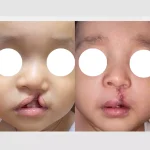
Cleft lip repair (cheiloplasty) is one of the most common and transformative reconstructive surgeries performed to correct genetic defects of the lip. The primary goal of this procedure is to restore facial aesthetics, improve speech function, and ensure proper feeding capabilities for the child. While the success rates for both functional and cosmetic improvements are exceptionally high, cleft lip repair, like any surgical intervention, carries a set of potential risks. For parents and caregivers, understanding the postoperative complications from primary repair of cleft lip and palate is crucial for managing expectations and making informed decisions.
Below is a detailed overview of the potential side effects and complications associated with this surgery.
Immediate Post-Surgical Complications
Following cheiloplasty, the body naturally reacts to the surgical trauma. For complete information about cleft lip and palate surgery, read the article “Cleft Lip and Palate Surgery.” While monitored closely by the medical team, the following issues can arise immediately after the procedure:

۱. Bleeding and Hematoma
Excessive bleeding is a primary concern immediately following surgery, often occurring in the recovery room. This can be caused by underlying issues with blood vessels in the cleft area, tension on the suture line, or coagulation disorders.
In addition to active bleeding, patients may develop a hematoma, a collection of blood under the skin that presents as a firm, bruised swelling on the lip or cheek. While small hematomas often absorb naturally over time, larger ones can increase pressure on the sutures, delay healing, and raise the risk of wound dehiscence (re-opening).
۲. Anesthesia-Related Risks
Because cleft lip repair involves the airway and oral cavity, anesthesia carries slightly higher risks compared to other surgeries. Anatomical abnormalities associated with cleft lip and palate can make intubation difficult for the anesthesiologist. In rare and complex cases, specialized airway management techniques may be required to ensure patient safety.
۳. Swelling (Edema) and Inflammation
Swelling is a natural and expected response to surgery. It typically peaks on the second day post-op. Due to the rich blood supply in the lip, swelling can be significant, sometimes extending to the eyes or causing partial nasal obstruction. Proper pain management and the application of cold compresses (as directed by the surgeon) are essential to manage this inflammation and reduce tension on the surgical site.
Infectious Complications
Protecting the surgical site from pathogens is vital. Infections can delay healing and compromise the aesthetic result. For specialized guidance, refer to the article on Diagnosing Post-Operative Infection in Cleft Lip and Palate Surgery.
۱. Surgical Site Infection
Infection at the incision site is a serious complication characterized by excessive redness, heat, purulent discharge (pus), and foul odor. Contributing factors include poor wound hygiene, a weakened immune system, or contamination during recovery. Immediate treatment with appropriate antibiotics is necessary to prevent tissue damage.
۲. Upper Respiratory Infections (URIs)
Children with cleft lips/palates are naturally more prone to respiratory issues. Post-surgery, URIs account for a significant portion of general complications (approx. 46%). Structural differences in the nose and mouth can allow secretions to enter the respiratory tract. Proper management is essential to prevent escalation into pneumonia.
۳. Fever
A low-grade fever (under 38°C) is common in the first 48 hours as a metabolic response to surgery. However, a persistent high fever or one that begins after day 3 warrants immediate investigation to rule out wound infection or other systemic issues.
Wound Healing Challenges
The quality of wound healing dictates the long-term appearance of the lip.
۱. Wound Dehiscence (Separation of Sutures)
One of the most concerning complications is the separation of the wound edges. This can be superficial or deep (involving the muscle). Dehiscence often requires secondary surgery to correct.
Common causes include:
- Physical Trauma: The child rubbing, sucking on, or bumping the surgical site.
- Infection: Weakens the tissue holding the stitches.
- Tension: If the wound is closed too tightly without adequate tissue relaxation.
- Non-compliance: Failure to use arm restraints (No-No sleeves) or follow dietary restrictions.
۲. Scarring (Hypertrophic Scars)
While all surgeries leave scars, the goal in cleft repair is a fine, faint line. However, some patients (approx. 1.85%) may develop hypertrophic scars, which are raised, thick, and red tissues. This is more common in patients with darker skin tones (African or Asian descent). Treatments such as steroid injections, laser therapy, or silicone sheets may be needed if the scar does not mature and fade naturally over 6 to 12 months.
Aesthetic and Functional Outcomes
Even with a technically successful surgery, cosmetic imperfections can occur due to the complexity of reconstructing distorted tissues.
۱. Asymmetry and Irregularities
Achieving perfect symmetry in a previously cleft lip is challenging. Issues may include:
- Vertical height mismatch: One side of the lip appears shorter than the other.
- Whistle Deformity: A notch or depression in the red part of the lip (vermilion), often caused by inadequate muscle continuity or tissue deficiency.
- Muscle Misalignment: If the orbicularis oris muscle is not perfectly aligned, it can create an unnatural bulge or depression during movement.
۲. Nasal Deformity
A cleft lip affects the nasal foundation. Post-surgery, the nose may still exhibit a flattened nostril, a deviated septum, or asymmetry in the nasal base. Many patients will require a secondary procedure (cleft rhinoplasty) later in life to fully correct the nasal aesthetics and improve breathing.
Rare but Serious Complications
Although infrequent, severe risks include:
- Airway Obstruction: Caused by severe swelling or bleeding post-surgery, requiring emergency intervention.
- Nerve or Tissue Damage: Accidental damage to facial nerves or salivary ducts during dissection, which could lead to temporary or permanent weakness in lip movement.
Cleft Lip and Cleft Palate Repair Risks and Safety
To minimize risks and ensure the highest safety standards in adult cleft lip surgery, the following protocols are recommended:
- Choose an Expert Surgeon: Select a plastic surgeon or ENT specialist specifically experienced in cleft lip and palate repair.
- Specialized Facilities: Surgery should be performed in centers equipped for pediatric airway management.
- Strict Adherence to Aftercare: Parents must follow all instructions regarding feeding, arm restraints, and wound cleaning (crust removal) to prevent infection and scar damage.
- Long-term Follow-up: Regular visits are essential to monitor facial growth and address potential speech or dental issues early.
Conclusion
Cleft lip repair is a life-changing procedure with generally excellent outcomes. While risks such as scarring, asymmetry, or infection exist, they are largely manageable with skilled surgical technique and diligent post-operative care.
Consult with Dr. Armin Akbari
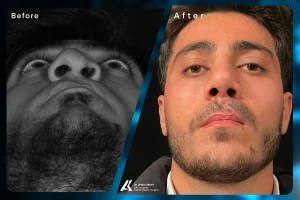
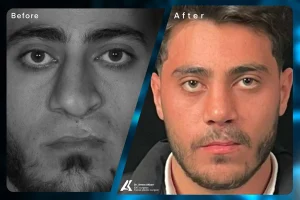

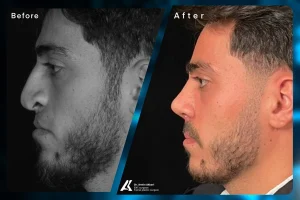
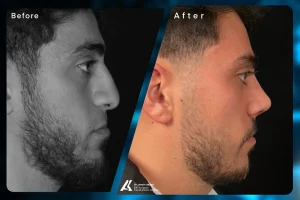
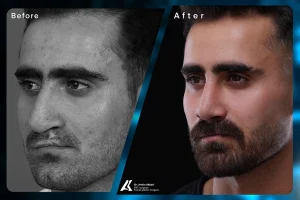
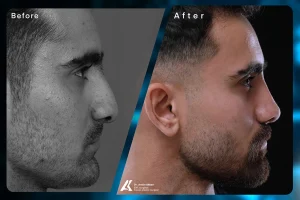
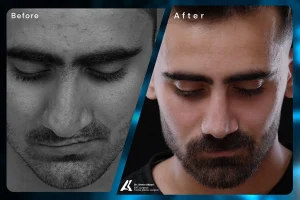
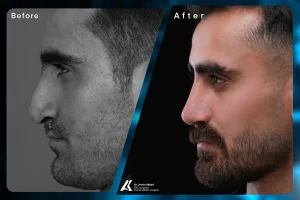
To discuss your child’s specific needs and to minimize surgical risks, you can book a consultation with Dr. Armin Akbari. As an ENT specialist with a dedicated focus on facial reconstructive surgery and cleft-related nasal deformities, Dr. Akbari provides comprehensive care addressing both the functional airway complexities and the aesthetic nuances of the lip and nose.
Frequently Asked Questions (FAQ)
Bleeding, swelling, and reactions to general anesthesia are the most common immediate concerns.
It is usually caused by trauma (the child touching the area), infection, or excessive tension on the wound closure.
Not always, but revisions are common to refine the scar, correct lip symmetry, or improve the shape of the nose as the child grows.
The most important step is keeping the wound clean according to the doctor’s instructions and preventing the child from touching or dirtying the surgical site.