Revision rhinoplasty in Iran is an option for people considering another operation to address the appearance or breathing function of a previously operated nose. The useful starting point is a clear assessment: what remains a concern, what is still healing, and what change is achievable. The surgical plan and quotation should follow that assessment.
This guide explains revision-specific decisions before you arrange treatment with Dr. Armin Akbari. For an overview of primary surgery, see the rhinoplasty in Iran guide.
Considering another nose operation? Ask the clinic how to arrange a revision assessment and which records to provide.

Revision rhinoplasty cost in Iran
A useful revision quotation describes the proposed work and the costs included. A starting price alone cannot tell you whether two treatment plans cover the same operation, facility or follow-up. Ask for a written, case-specific estimate after the clinic has reviewed your history and explained the next assessment step.
The ASPS cost guidance distinguishes the surgeon’s fee from other treatment expenses. Its published US figures are not Iranian prices. When requesting a quotation in Iran, use the same practical distinction between the operation and the complete treatment budget.
| Quotation item | What to confirm |
|---|---|
| Proposed revision | Which appearance and breathing concerns the plan addresses |
| Surgeon, anesthesia and facility | Whether each fee is included or listed separately |
| Cartilage grafting | Whether the proposed estimate covers graft harvesting, if planned |
| Tests, medicines and appointments | Which preoperative and postoperative items are covered |
| Travel and accommodation | Whether these are included, optional or arranged independently |
| Changes to the plan | How revised findings, additional visits or an extended stay affect the estimate |
Ask which currency applies, how long the quotation remains valid and what payment arrangements are available. Obtain these details directly rather than assuming a package description applies to every revision case.
For broader budgeting, use the nose job cost in Iran guide. Keep your own comparison focused on a revision-specific plan; a primary-surgery advertisement may describe a different scope of care.
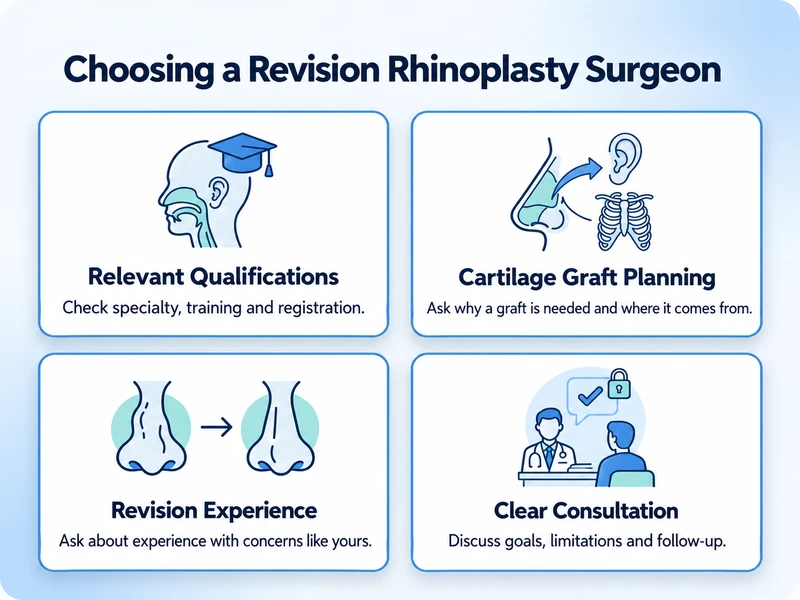
If you are comparing clinical experience and consultation questions, read the separate guide to choosing a revision rhinoplasty surgeon. This page focuses on preparing for revision treatment in Iran.
Who may be a candidate for revision surgery?
A consultation is worth considering when a persistent appearance concern, breathing difficulty or combination of both remains after previous surgery. The assessment should establish whether another operation offers a worthwhile improvement for your particular nose.
General health, smoking status and realistic goals matter in surgical planning, as outlined in the ASPS candidate guidance. Previous surgery adds questions about healing and the work already performed. Tell the clinician about every nasal operation, injury and injectable treatment, even if it seems unrelated to your current concern.
It helps to describe your priorities in your own words: “My left nostril feels blocked,” for example, is more informative than asking for a completely different nose. Separate your main concern from smaller preferences so the discussion can focus on meaningful change.
Assessment may lead to observation as well as surgery. Ask which findings support treatment now, what further information is needed and what you could reasonably expect if you wait. An enquiry can begin that discussion before you commit to travel or an operation.
When is the right time to consider revision?
For elective cosmetic revision, surgeons commonly allow roughly a year after the previous operation so swelling and healing can settle. Some noses need longer. The calendar is a guide; the examination and pattern of recovery determine whether the concern is ready to assess. Acibadem’s explanation of revision timing describes why early swelling can obscure the result.
A consultation can take place while you are waiting. Bring the date of your previous surgery and photographs showing how the appearance has changed. Ask whether the concern appears stable or is still evolving.
New or worsening breathing problems, infection concerns or an injury deserve timely medical assessment. Do not postpone seeking care simply because a year has not passed.
Complex cases: matching the concern to the assessment

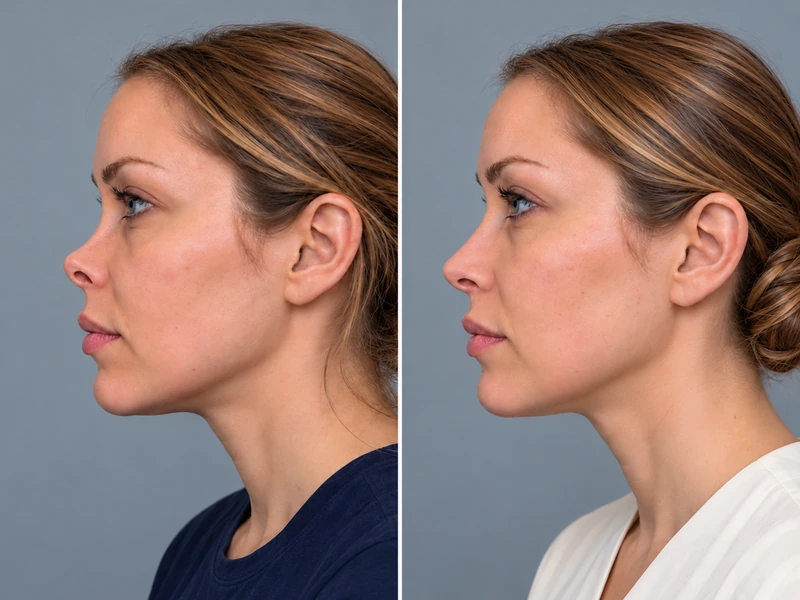

Illustrative comparison; not an actual patient result.
Revision surgery can involve altered anatomy, scar tissue and limited remaining cartilage. These factors help explain why the plan needs to be individualized. The ASPS overview of revision rhinoplasty discusses the relationship between structural support, breathing and appearance.
| Concern after previous surgery | Focus of the assessment |
|---|---|
| Persistent crookedness or asymmetry | The location of the concern and whether it is stable |
| Pinching, collapse or difficult nasal breathing | The airway and supporting structures |
| An over-reduced bridge or tip-support concern | Remaining support and possible reconstruction |
| Several previous operations | Available records, scarring and realistic treatment priorities |
For more specific concerns, explore the guides to fleshy nose revision rhinoplasty and an upturned nose after rhinoplasty. Use the relevant guide to prepare questions for your individual assessment.
These descriptions are starting points for consultation, rather than diagnoses from photographs. For each concern, ask the surgeon to explain what they found, which part of the plan addresses it and what limitation remains.
Breathing symptoms also need their own assessment. ENT Health’s guide to nasal form and function explains that obstruction can have structural and inflammatory causes. Describing when the blockage occurs, which side is affected and what treatments you have tried helps make that discussion more specific.
Will revision surgery need cartilage grafts?
Some revisions use cartilage grafts to restore support. The source depends on what is available and what needs rebuilding; options may include remaining septal cartilage, ear cartilage or rib cartilage. A published review of grafting in revision rhinoplasty explains these donor options. Rib cartilage is not an automatic requirement for every revision.
If a graft is proposed, ask why that material fits your operation and whether another donor site is involved. Include donor-site care and the proposed harvesting procedure in your discussion of recovery and costs. The recommendation should relate to the reconstruction, rather than to a general preference for one technique.
Request a plain-language explanation of the plan: what needs support, where the graft would come from and which changes it is intended to achieve. This is more useful than comparing operations by graft name alone.
Planning revision rhinoplasty in Iran as an international patient
Before making travel bookings, establish a clear contact route with the clinic. Start with a short account of your previous treatment and ask what information is needed for an initial review. A practical enquiry includes:
- The dates and number of previous nasal operations.
- Your main appearance concern and any breathing symptoms.
- Available operation reports and information about previous grafts or implants.
- Relevant medical history, medicines and allergies.
- Your country of residence, preferred contact language and possible travel period.
Ask the clinic how it accepts medical documents and photographs. Use its confirmed submission method, and keep copies of your records. Clarify what an initial remote discussion can establish and what requires examination after arrival.
Before committing to dates, request a written outline of the proposed visit: assessment appointments, the intended procedure, follow-up visits and how the return journey will be agreed. Ask who will answer postoperative questions once you are home and how urgent concerns should be handled locally.
The international rhinoplasty package provides a separate place to explore travel-related arrangements. Confirm which services apply to your revision enquiry, including accommodation, transfers, interpretation and companion arrangements. Availability and inclusions should be checked for your own booking.
If you are travelling from Iraq or a GCC country, ask directly about the language used for clinical discussions, the quotation currency and the documents needed for your visit. Resolve these questions before paying for flights. Agree the medical plan before finalizing the itinerary, particularly when your revision assessment may change the proposed scope of surgery.
Recovery, follow-up and risks
Recovery planning should cover early wound care, appointments, work, activity and travel. The ASPS recovery guidance notes that initial swelling improves before the nasal contour finishes refining. Early photographs therefore show a stage of healing rather than the settled result.
Ask for instructions specific to your operation, including care of any graft donor site, prescribed medicines and when to seek help. Confirm follow-up arrangements before you leave Iran and retain the clinic’s contact details with your treatment documents.
Swelling, temporary changes in sensation and discomfort are part of the recovery discussion. Infection, breathing changes, scarring and dissatisfaction are among the possible complications described in the ASPS safety information. Your surgeon should explain which risks are most relevant to the proposed revision.
Seek prompt clinical advice for fever, worsening pain, unusual discharge or increasing breathing difficulty. Severe breathing difficulty or heavy bleeding warrants urgent local medical care, including after you have returned home.
Before-and-after photos and realistic goals

Use the rhinoplasty before-and-after gallery to prepare questions about the changes that matter to you. Ask which examples are confirmed revision cases and when the postoperative photographs were taken. A general rhinoplasty gallery does not establish that every patient underwent secondary surgery.
During consultation, distinguish the improvement you most value from features you would prefer to preserve. Ask for the likely benefit and the remaining limitations in the same discussion.
To take the next step, contact Dr. Armin Akbari’s clinic with your previous surgery date and main concern, and ask how to arrange a revision assessment.
Frequently asked questions
Yes. An assessment can help you understand the concern and whether more healing time is appropriate. Consultation timing and the date of another operation are separate decisions.
Provide your previous-operation history and ask what examination or records the clinic needs. Request an itemized estimate that identifies the proposed revision, included care and any separately charged travel arrangements.
Ask the clinic how to submit it. A previous operation report can help explain the earlier procedure. If it is unavailable, tell the clinic so the assessment can account for that limitation.
Only treat a case as revision surgery when the clinic confirms that description. Ask about the previous procedure and follow-up interval before using an example to discuss your own goals.
Ask for a schedule based on your proposed operation and follow-up needs. Confirm the return-travel plan with the treating team before booking; a general package duration may not fit your revision.