Before & After Rhinoplasty Gallery
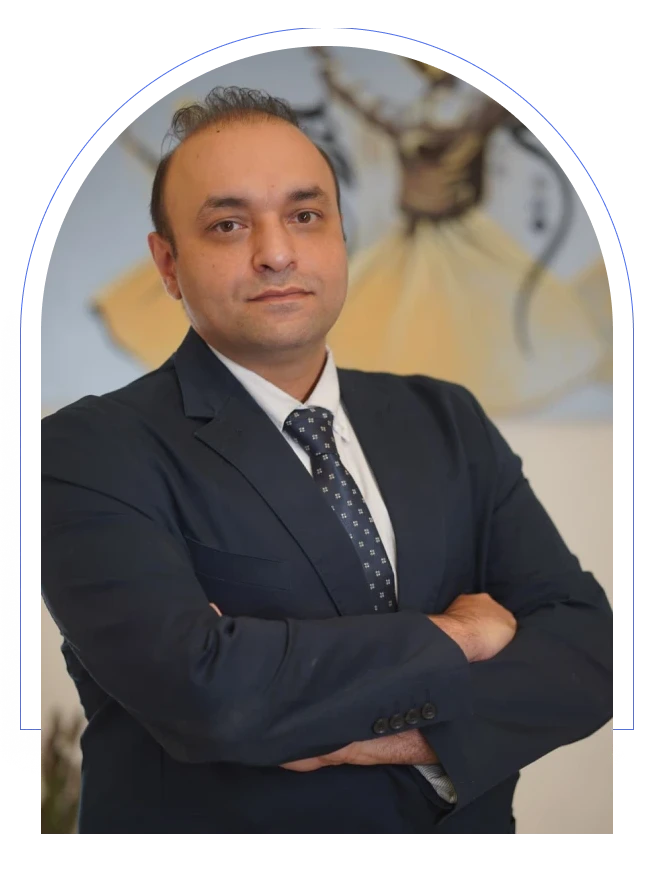
View Rhinoplasty Results by Dr. Armin Akbari. These real before-and-after photos showcase the natural and beautiful transformations achieved in the shape and appearance of the nose. With Dr. Akbari’s expertise and experience, you can achieve the nose appearance you’ve always desired.


Rhinoplasty before-and-after photos in Iran are most useful when the starting nose, viewing angle and stage of healing are relevant to your own concerns. Look at the front and both profiles together: a bridge change that looks clear from the side is only one part of the result.
This gallery brings together selected patient comparisons published by Dr. Armin Akbari, alongside a guide to reading results by nose type and surgical goal. Use the photographs to explain what you would like to discuss at consultation.
Looking for a case similar to yours? Contact the clinic to request comparable examples, or call +98 919 385 2290.
How to Read the Rhinoplasty Gallery
Compare front, profile and other available views of the same patient together. Pay attention to the starting anatomy, the features being discussed and the timing of the postoperative photographs. Ask the clinic to confirm the nose type, details of any previous surgery and follow-up interval when choosing a case to discuss.
Individual outcomes reflect the person’s anatomy, treatment plan and healing. Reviewing photographs can help you identify useful questions and priorities for your own assessment.
Results by Nose Type and Surgical Goal
Nose type, preferred style and previous surgery describe different aspects of a consultation. A person may have a prominent bridge and a broad tip, for example, while also preferring a subtle change. Use the following guide to decide which examples to request.
Bony Noses and Bridge Concerns
For a prominent bridge or dorsal hump, compare the full profile, the transition from forehead to nose and the relationship between bridge and tip. Also review the front view rather than judging only the outline.
The bony nose rhinoplasty guide explains the assessment questions behind these concerns. Ask for cases with a similar starting bridge and skin characteristics.
Fleshy Noses and Tip Definition
For a broad or rounded tip, look at tip proportions and how the nose relates to the cheeks and lips. Ask the surgeon to explain the role of skin and structural support in your case.
The fleshy nose rhinoplasty guide covers these considerations in more detail. Photographs help frame this discussion; examination establishes the relevant anatomy.
Male Rhinoplasty Goals
When requesting male rhinoplasty examples, describe which features you want to preserve as well as change. A straight-looking bridge, a stronger profile or subtle tip refinement can mean different things to different patients.
Choose examples by starting anatomy and your own goals, rather than assuming that all men want the same result.
Natural-Looking Results
For a natural-looking goal, examine the whole face in each view. Explain whether you prefer a relatively straight bridge, a small profile change or preservation of a particular feature. Bring more than one example and point out the details that appeal to you.
The natural rhinoplasty guide provides a separate discussion of styling and facial balance.
Revision Rhinoplasty Comparisons
If you have had nose surgery before, request examples confirmed as revision cases. Explain the earlier procedure, your current appearance concern and any breathing symptoms. Similar-looking photographs may involve different starting conditions and treatment plans, so the surgical history matters.
For assessment, timing and consultation preparation, read the revision rhinoplasty in Iran guide.
Cleft-Related Nasal Surgery
Cleft-related comparisons need their own clinical context, including the person’s previous repairs and the goals of the current treatment. Ask the team for relevant, confirmed examples and an explanation of the proposed assessment.
Keep that discussion distinct from routine cosmetic comparisons so the photographs relate to the questions that matter for your care.
How to Compare Before-and-After Photographs
Compare like with like. A useful set shows the same person from consistent front and profile angles. Differences in camera height, head tilt, lighting and facial expression can change how the bridge, tip and nostrils appear. Makeup and image color can also affect the impression of definition.
Look for the same features across several views. If a change appears dramatic only from one angle, ask to see the rest of the set.
Describe the specific point you notice: the bridge line, tip position or overall proportion is more useful than asking to copy a whole face. For the wider procedure and consultation journey, read the rhinoplasty in Iran guide.
Healing Stage and Follow-Up
Ask when each postoperative photograph was taken. Early and later photographs answer different questions, so the interval matters when comparing examples.
ASPS guidance on rhinoplasty results explains that the contour can continue refining for about a year as swelling settles. The ISAPS patient guide also describes individual variation in recovery and results.
When discussing a particular case, ask the clinic to confirm the follow-up interval and provide comparable views from a similar stage of healing.
Discuss Comparable Cases with the Clinic
Start with your main concern, the features you want to preserve and whether you have had previous nasal surgery. Include your country of residence and preferred contact language. The clinic can explain how to share photographs and medical records through its agreed contact route.
Request a rhinoplasty consultation and ask which examples are most relevant to your starting anatomy.
If you are ready to discuss accommodation, transfers and an individual quotation, explore the international rhinoplasty package and confirm the arrangements for your visit with the team.
Frequently Asked Questions
Can I choose my result from one photograph?
Use the photograph to explain a feature you like. The surgeon can assess how that preference relates to your own anatomy, facial proportions and breathing before discussing an appropriate plan.
How do I find examples similar to my nose type?
Tell the clinic which features concern you and whether you have had previous nasal surgery. Ask for examples with a comparable starting anatomy and have the clinical details confirmed during consultation.
How can I find out when an after photograph was taken?
Ask the clinic for the follow-up interval and a matched set of views for the case you are discussing. Compare photographs from similar stages of healing.
What should an international patient send first?
Contact the team with your country, preferred language, main concern and previous-surgery history. Ask which photographs or records are useful and how to submit them through the clinic’s agreed channel.