Middle Eastern rhinoplasty in Iran starts with your own priorities: the features you would like to refine, the ones you value and how your nose functions. A natural-looking goal can include smoothing a bridge or changing tip proportions while keeping a familiar profile. The discussion should be specific to your face, rather than organized around a single regional ideal.
People with Middle Eastern heritage have varied facial anatomy and preferences. Explaining what you want to preserve is as useful as explaining what you want to change. Your surgeon can then relate those preferences to an examination, facial proportions and nasal breathing.
To begin, discuss your rhinoplasty goals with Dr. Armin Akbari’s clinic. Include your main concern and one feature you would particularly like to keep.
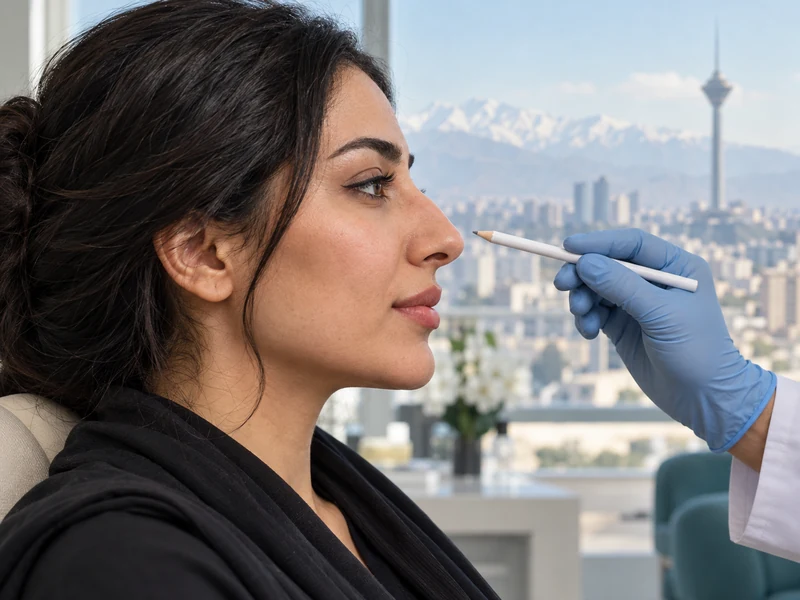
What does Middle Eastern rhinoplasty mean?
The term describes rhinoplasty planning for people who identify with a diverse region and its communities. It is not the name of one operation. Iranian, Arab, Kurdish and other patients may have different starting features, and people within the same family can want different changes.
Clinical literature describes combinations of bridge prominence, skin thickness, tip structure and other features in some patients of Middle Eastern heritage. These observations help guide assessment; they do not establish the anatomy of every person from the region.
For the broader procedure and international patient journey, use the rhinoplasty in Iran guide. Here, the focus is how to turn personal preferences into a clear conversation about your nose.
What would you like to change—and keep?
Prepare two short lists before consultation. On one, describe a change you want: a less prominent hump, a different tip position or a concern about asymmetry. On the other, describe what feels characteristic of you, such as a strong profile, bridge shape or the way your face looks when you smile.
Use ordinary language and photographs to explain these points. You do not need to choose a surgical technique first. For example, “I would like the hump softened, but I still want a defined bridge” communicates more than “make it perfect.”
These prompts can help organize the discussion:
- Bridge: which part of the outline would you change, and how much prominence would you prefer to retain?
- Tip: what concerns you about its shape or position, and what do you like about the current proportions?
- Front view: which differences do you notice when looking straight ahead, rather than only from the side?
- Expression: are there features of your smile or overall facial character that you want to discuss preserving?
Bring examples of details you like. A reference photograph is a conversation aid; your own anatomy determines the practical options.
How anatomy guides the discussion
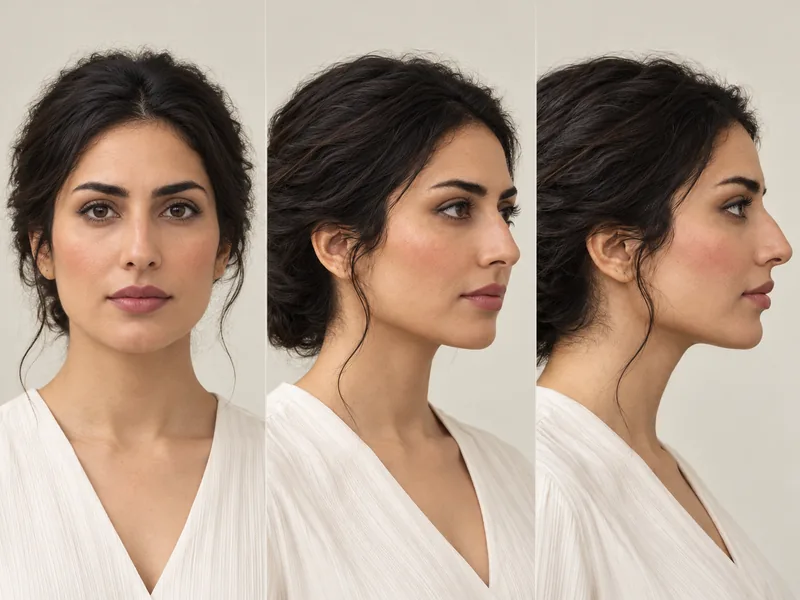
Bridge shape and facial proportions
A prominent bridge can relate to bone, cartilage or both. Its appearance also depends on the forehead, tip and chin. Ask the surgeon to explain how a proposed bridge change would relate to the rest of your face in front and profile views.
The bony nose rhinoplasty page discusses bridge and skin considerations in more depth. A regional label alone does not tell you whether that description fits your nose.
Skin thickness and tip structure
Skin and the framework beneath it both influence visible definition. Where thicker skin or a rounded tip is relevant, the discussion should include what change may be visible and how support will be considered. A request for definition is different from a request for a very small tip.
Read the fleshy nose rhinoplasty guide for more on that regional term and the separate features it can describe. Skin thickness is assessed individually, including among patients with shared heritage.
Nostrils, support and nasal breathing
Discuss nostril shape in the context of the full nose, including the base view. Tell the surgeon about blockage, previous injuries, allergies and earlier operations. Appearance goals and breathing concerns belong in the same assessment, although the cause of a symptom needs to be established.
The surgical approach should follow that assessment. “Ethnic rhinoplasty” and “preservation rhinoplasty” are different terms: the former concerns individualized regional or heritage-related goals; the latter refers to surgical concepts that may be discussed for suitable anatomy.
Natural-looking results and personal identity
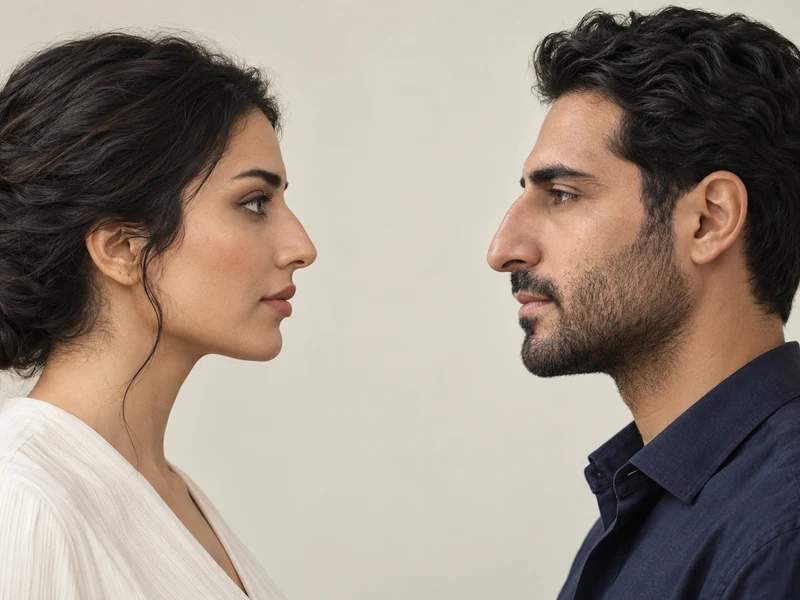
“Natural” is a preference that needs explanation. For one person, it means a modest profile change. For another, it means retaining a recognizable bridge while addressing a particular asymmetry. The natural rhinoplasty page explores aesthetic style; this discussion adds the features and associations that matter personally to you.
Identity is broader than a measurement or nasal angle. A useful consultation makes space for your preferences and lets you describe a feature positively, even when you are considering changing another part of the nose.
Discussing male rhinoplasty preferences
Men can also want subtle or more noticeable changes, with different views about bridge strength, size and tip position. Describe your own goals rather than adopting a standard masculine template. The male rhinoplasty guide covers that consultation context separately.
Choosing examples and a surgeon in Iran
Start with the rhinoplasty before-and-after gallery, then ask for comparable cases with several viewing angles. Similar starting structure and a relevant treatment history are more informative than an assumed shared nationality. Ask when the postoperative photographs were taken and which changes the surgeon considers comparable to your concerns.
Review Dr. Armin Akbari’s professional background and prepare questions about assessment, the proposed changes, function and follow-up. You should be able to explain the agreed priorities in your own words after the consultation.
If you have had nasal surgery before, include that information from the beginning. Earlier operations and scar tissue affect the discussion; the revision rhinoplasty guide addresses that separate pathway. A primary-surgery example may not answer the questions relevant to a revision case.
Recovery and follow-up
Allow time for the appearance to develop. Early swelling and bruising can affect how you recognize your profile. The American Society of Plastic Surgeons’ results guidance notes that refinement can continue for up to a year. Your follow-up schedule helps put changes into context instead of treating one early photograph as the final result.
Recovery planning also includes safety. Temporary swelling and changes in sensation may occur. Less common concerns include infection, healing problems or persistent breathing difficulties; discuss relevant risks and how to contact the team promptly if recovery differs from the instructions you received. ASPS provides a rhinoplasty risks overview for that discussion.
For international patients, agree on in-person checks, communication after returning home and individualized travel advice before fixing the return journey.
Preparing for a consultation from abroad
In your first inquiry, include your country of residence, preferred contact language, main concern and any previous nasal surgery. Ask which photographs and records the clinic needs and how to send them through its agreed contact channel. Explain your change-and-preserve priorities alongside the photographs.
A preliminary conversation can organize questions and next steps. An in-person examination is needed to assess features that photographs cannot establish fully, including the internal nose and functional concerns. Confirm which decisions remain provisional before making arrangements.
When you are ready to discuss a quotation and travel coordination, review the international rhinoplasty package. Ask for a written breakdown of the services, follow-up and arrangements included in your individual offer.
Request a consultation with your main goal, one feature you want to preserve and the questions you would like the surgeon to address.
Frequently asked questions
It describes a planning context, not a required shape. Tell the surgeon whether you prefer to retain bridge prominence, tip position or another feature. The discussion should connect your preferences with anatomy and nasal function.
The terms overlap in some consultations but describe different things. Natural rhinoplasty concerns the desired style of change. Middle Eastern rhinoplasty adds a discussion of individual anatomy, heritage-related preferences and features the person values.
Skin thickness varies between individuals, as do bridge shape and cartilage structure. A shared regional background does not establish your nose type. Examination helps explain which features matter to your plan.
An online discussion can help communicate goals and organize the next steps. The final plan requires an appropriate clinical assessment, including an in-person examination. Ask which parts of any preliminary recommendation or quotation may change after that assessment.
Medical references
- Rohrich and Ghavami: Rhinoplasty for Middle Eastern noses — clinical background on variable structural considerations.
- UT Southwestern: Ethnic rhinoplasty and cultural identity — patient preferences and individualized planning.