Recovering from nose surgery requires patience. The reflection you see in the mirror during your first week will be vastly different from the final result you see a year later.
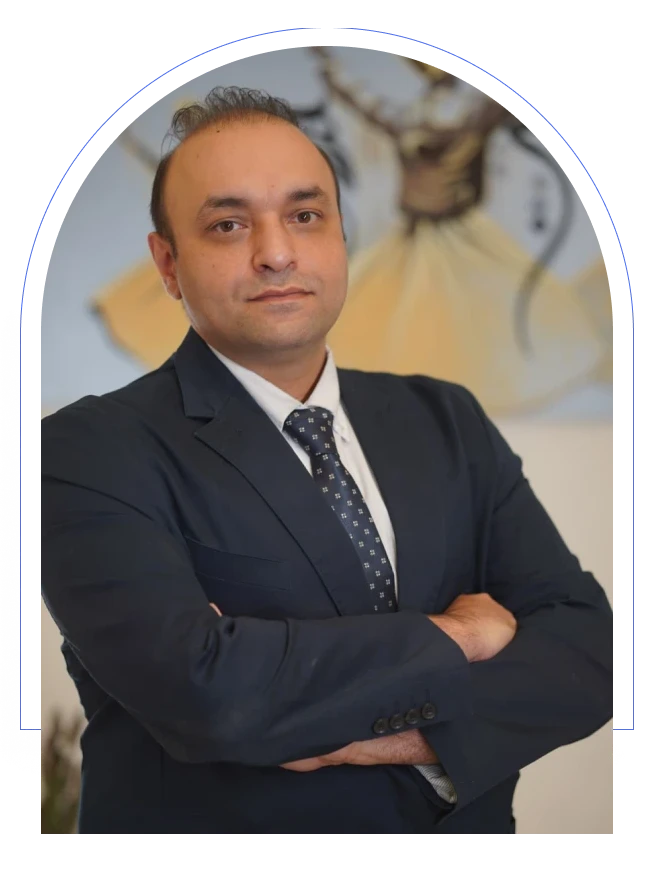
Dr. Armin Akbari, a highly experienced ENT and facial plastic surgeon in Tehran, Iran, emphasizes that rhinoplasty is a gradual process. Swelling must dissipate, tissues need time to heal, and your skin must adjust to its new underlying structure.
Here is exactly how your nose will change, shrink, and settle over the coming months, helping you feel more comfortable and confident during your recovery.
Premium Facial Plastic Surgery
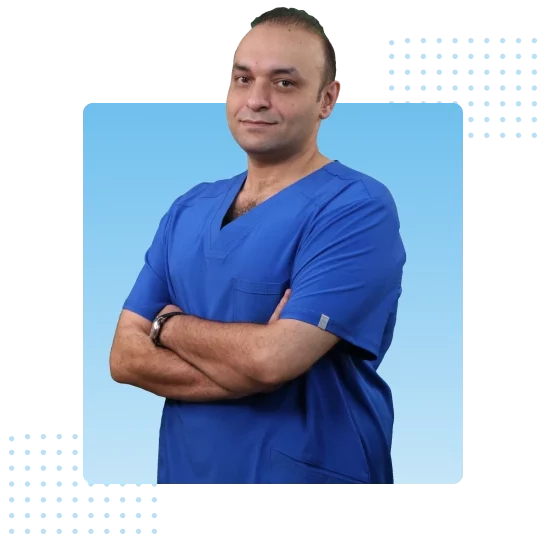
Dr. Armin Akbari
Achieve the natural, harmonious profile you deserve with a leading specialist in Tehran. Your journey to refined elegance starts here.
📞 Call Now: +98 919 385 2290The Healing Timeline: What to Expect After Nose Surgery
The changes in the shape and texture of your nose become highly apparent between the first and sixth months. However, the complete timeline extends for a full year, and sometimes longer. Here is a detailed look at the stages of nasal swelling and recovery.
The First Few Days: Managing Early Swelling
The first week following surgery is the most critical period of the recovery process. Mild discomfort is entirely natural as a result of the surgical intervention. Within the first 24 to 72 hours, swelling and bruising reach their peak. You might notice discoloration around your eyes and cheeks, and your nose will be supported by a splint and bandages.
During these early days, strict adherence to care methods is vital:
- Sleep with your head elevated: Using extra pillows helps fluid drain away from your face, reducing morning puffiness.
- Apply cold compresses: Gently placing cold packs on your cheeks (never directly on the nose) helps manage bruising.
- Avoid physical exertion: High blood pressure from activity can increase swelling or cause bleeding.
- Minimize facial expressions: Laughing or chewing hard foods can put unnecessary strain on the surgical area.
- Do not blow your nose: The internal tissues are highly sensitive and prone to disruption.
Weeks 2 to 4: Removing the Splint and Seeing the First Contours
The second to fourth weeks represent major milestones in your recovery journey:
- Splint Removal: Around the end of the first week or the beginning of the second, your doctor will remove the splint and bandages. You will see the new general shape of your nose for the first time, though it will still be significantly swollen.
- Social Return: By the third week, there is a noticeable reduction in both bruising and swelling. Most patients feel comfortable enough to return to their normal social activities and work routines.
- Improved Breathing: The heavy, congested feeling begins to fade, and your airway feels much clearer.
By the fourth week, the visible signs of having had surgery are mostly gone to the outside observer. However, you must continue to avoid strenuous physical activities like heavy lifting or intense cardio.


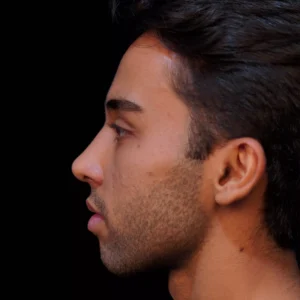
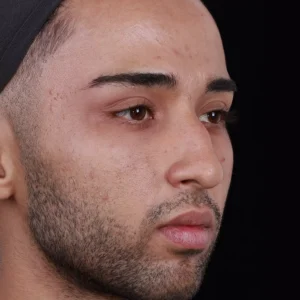
Months 1 to 3: The Nose Starts to Take Shape
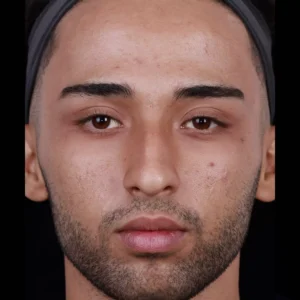
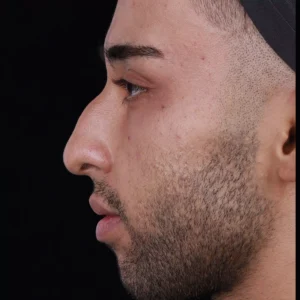
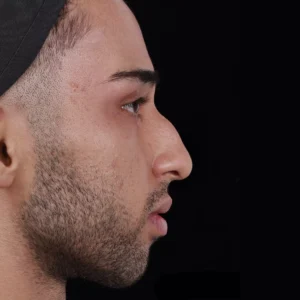
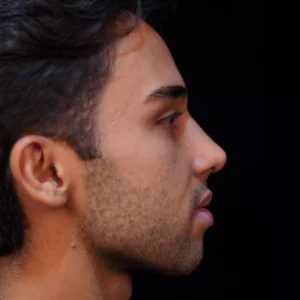
The first three months are a transformative phase. The residual, broad swelling largely subsides, and the refined contours of your nose begin to emerge.
During this phase, you will notice a few key developments:
- Fluctuating Swelling: Your nose might look more swollen in the morning and appear thinner by the evening. This is a normal part of the lymphatic drainage process.
- Sun Sensitivity: The skin on your nose is very sensitive and prone to hyperpigmentation. Exposure to direct sunlight can cause permanent discoloration. Wearing a hat and applying high-SPF sunscreen is necessary.
- Tip Stiffness: The tip of the nose is typically the slowest area to heal. Even at three months, it will likely feel stiff to the touch and hold onto some fluid.
Months 6 to 12: Will My Nose Shrink at 6 Months?
At the six-month mark, many patients question if their nose will shrink any further. Here is what happens during the final stages of recovery:
- At 6 Months: Approximately 80% to 90% of the swelling has completely resolved. You are now seeing a very close representation of your final aesthetic result.
- Months 8 to 10: The finer details of the nose emerge. The transition from the bridge to the tip becomes smoother, and the minor, stubborn swelling slowly dissipates.
- At 12 Months: The recovery is generally considered complete. The skin has fully draped over the new framework, the tip feels softer and more natural, and the final profile harmonizes beautifully with your face.
Related Article: Nose Job Cost in Iran
Why Does My Nose Look Bigger 6 Months After Rhinoplasty?
It is common to feel concerned if your nose still appears large or lacks definition half a year post-surgery. This perception is usually due to residual swelling. Several factors determine why swelling persists longer for some individuals:
1. The Role of Skin Thickness
Skin thickness is one of the most significant variables in rhinoplasty recovery.
- Thicker Skin: Acts like a heavy blanket, retaining fluid and taking much longer to “shrink-wrap” around the newly sculpted cartilage. Final results might take closer to 18 months.
- Thinner Skin: Tends to heal and adapt much faster, revealing the underlying bone and cartilage structure sooner.
2. Surgical Techniques and Structural Changes
Extensive work on the nasal bones requires more healing time than minor adjustments. For example, narrowing a very wide bridge or correcting a severe deviation will naturally result in prolonged swelling compared to a simple tip refinement.
3. Improper Healing Patterns
Occasionally, scar tissue can form under the skin during the healing process. This can make a specific area, like the tip or the bridge, look bulkier than intended. Regular follow-up appointments with Dr. Armin Akbari ensure that any unexpected scar tissue is managed early with specialized massages or minor localized treatments.
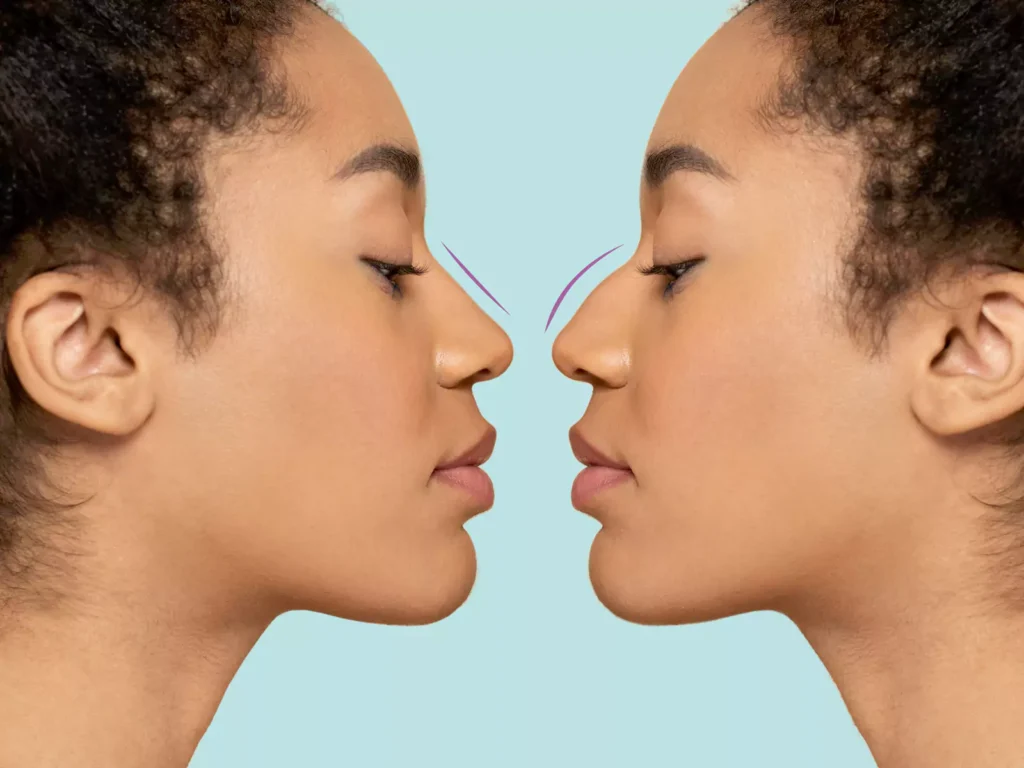
Factors That Affect Your Rhinoplasty Recovery Speed
Every patient experiences a different recovery process. Your body’s unique healing capacity is influenced by your age, general health, and daily habits:
- Tobacco Use: Nicotine restricts blood vessels, significantly reducing blood circulation to the surgical site. This delays wound healing and increases the risk of serious complications.
- Alcohol Consumption: Alcohol acts as a vasodilator and disrupts the body’s fluid balance, which can increase swelling and prolong bruising.
- Diet and Hydration: A diet high in sodium promotes fluid retention, making your nose look puffier. Eating nutrient-rich, low-sodium foods and drinking plenty of water helps your body flush out excess fluids.
- Caffeine: High amounts of caffeine can affect metabolism and sleep patterns, indirectly slowing down tissue repair.
Related Article: Best Countries for Rhinoplasty:
Open vs. Closed Rhinoplasty: How the Technique Impacts Nose Changes
The surgical approach chosen by your doctor affects both the immediate recovery and the way changes manifest over time.
Closed Rhinoplasty
- Incisions: Made entirely inside the nostrils.
- Scarring: No visible scarring on the outside.
- Best For: Simpler, straightforward corrections.
- Recovery: Generally results in less tissue trauma, leading to less swelling and a slightly faster initial recovery.
Open Rhinoplasty
- Incisions: A small incision is made across the columella (the narrow strip of tissue separating the nostrils).
- Visibility: Allows the surgeon to lift the skin and gain a full, unobstructed view of the nasal structure.
- Best For: Complex deformities, major tip reconstruction, and revision surgeries.
- Recovery: Swelling tends to be slightly more pronounced and lasts a bit longer, but the surgical precision achieved is necessary for major structural changes.
Revision Rhinoplasty: Correcting Previous Surgeries
Sometimes, the healing process does not yield the desired results from a previous surgery done elsewhere. Revision rhinoplasty (secondary rhinoplasty) is a corrective procedure for patients who have had one or more prior nose surgeries.
Patients typically seek revision surgery for two main reasons:
- Aesthetic Concerns: Unhappiness with an asymmetric shape, a drooping tip, or irregularities along the bridge.
- Functional Issues: Previous surgeries might have caused or failed to resolve breathing difficulties.
Revision rhinoplasty is highly complex because the original anatomical landmarks have been altered, and scar tissue is present. Cartilage grafts are frequently required to rebuild the nasal framework. Relying on an expert like Dr. Armin Akbari is crucial for restoring both form and function beautifully.
Achieving Your Desired Profile After Rhinoplasty
Watching your nose change day by day and month by month after rhinoplasty is a process of gradual discovery. From the immediate postoperative swelling to the refined, natural contours that emerge a year later, patience is your greatest asset.
By understanding the healing timeline, managing your lifestyle habits, and attending all follow-up appointments, you actively contribute to a successful outcome. If you are considering beginning this journey, scheduling a detailed consultation with a specialized expert is the first important step. Dr. Armin Akbari in Tehran, Iran, offers comprehensive evaluations to design a surgical plan tailored to your unique facial anatomy and aesthetic goals.
Frequently Asked Questions (FAQs)
Noticeable reduction in swelling happens within the first three months, but complete refinement takes up to a year.
Yes, the tip is often intentionally over-rotated during surgery and will naturally drop into its permanent position over the first six months.
You will likely experience temporary nasal congestion for the first few weeks due to internal swelling, but it steadily improves.
You should wait at least 4 to 6 weeks before resting glasses on the bridge of your nose to avoid indenting the healing bones.
Potential risks include temporary numbness, slight asymmetry, or delayed healing, which are heavily minimized by strictly following your doctor’s care instructions.