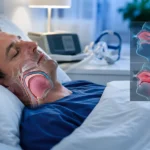
After months of meticulous planning for your rhinoplasty, waking up with a scratchy throat or runny nose just days before surgery is every patient’s nightmare. You may wonder if this means cancellation, what the risks are, or how to handle a bug during recovery. Don’t panic; this guide covers everything you need to know about dealing with a cold before or after rhinoplasty, ensuring you make the safest decision for your health and results.
Part 1: “I Got a Cold Before My Rhinoplasty”, What Now?

The Big Question: Will My Surgery Be Cancelled?
The short answer is: Likely, yes! and you should be thankful for it.
If you suspect you are getting sick, contact your surgeon immediately. While postponing is frustrating, your safety in the operating room is the absolute priority. Here is why surgeons take a simple cold so seriously:
Why Rhinoplasty Surgeons Won’t Operate on a Sick Patient
A top-tier surgeon cares about your life, not just your nose. A cold introduces significant risks:
- Anesthesia Complications: When you have a cold, your airways and lungs are inflamed. Intubation (the breathing tube used during anesthesia) can aggravate this, leading to dangerous respiratory issues like bronchospasms during surgery.
- Increased Bleeding: An active infection can interfere with your body’s ability to clot blood effectively. This increases the risk of excessive bleeding during the procedure and severe bruising afterward.
- Poor Healing & Infection Risk: Your immune system is already busy fighting a virus. It doesn’t have the energy to focus on healing surgical wounds, which increases the risk of post-surgical infection.
- The Coughing Danger: Imagine waking up from nose surgery and having a coughing fit. The pressure can cause bleeding, displace the nasal structure, and significantly increase pain.
The “Red Flag” Checklist
If you have any of the following symptoms, your surgery must be postponed. This is a medical necessity, not a suggestion.
- Fever (Over 37.5°C / 99.5°F): An absolute “No.” A fever means your body is fighting a systemic infection. Surgery puts too much stress on the body in this state.
- Productive Cough: Dry coughs are one thing, but a deep, chesty cough with phlegm indicates lung involvement. This is a major anesthesia risk.
- Severe Sore Throat & Swelling: If swallowing is painful and your tonsils are swollen, the airway is compromised.
- Yellow or Green Discharge: Clear fluid is often allergies, but thick, colored mucus usually signals a bacterial sinus infection. Operating now could spread bacteria to the cartilage and bone.
“Can I Just Hide My Cold before Rhinoplasty?”
Do not even think about it. Hiding symptoms from your surgeon or anesthesiologist is dangerous.
- You risk your life: Respiratory failure under anesthesia is real.
- You risk compromising your results: Excessive swelling and bleeding can significantly impact the aesthetic outcome.
- You risk your money: If the anesthesiologist discovers your condition in the pre-op room (and they will), the surgery will be cancelled at the last minute, often with financial penalties.
Part 2: Prevention Guide
Your best strategy is avoidance; protecting your health in the final weeks ensures your surgery date stays secure.
How to Stay Healthy 2 Weeks Before Surgery
Think of the weeks leading up to your surgery as a “quarantine light.”
- Social Distancing: Avoid crowded places like subways, malls, and parties. Stay away from anyone who even looks sick.
- Aggressive Hand Hygiene: Wash your hands constantly. Viruses live on surfaces.
- Sleep is Medicine: Aim for 7–9 hours of sleep. It is the best booster for your immune system.
- Dietary Armor: Load up on Vitamin C, Zinc, and plenty of water.
- Stress Management: High stress lowers immunity. Relax, listen to music, and visualize your new look.
Part 3: How to Tackle Post-Rhinoplasty Nasal Issues
Navigating recovery while sick requires extra care to protect your results; here is how to handle symptoms without compromising your new nose.

The Post-Op Survival Guide
So, the surgery went great, but now you’ve caught a cold during recovery. This is uncomfortable, but manageable. Your body now has two jobs: healing your nose and fighting the virus. Here is how to help it:
1. The Golden Rule: NO Blowing Your Nose
This is non-negotiable. Blowing your nose creates immense pressure inside the nasal cavity.
- The Risk: You could burst delicate blood vessels, pop internal sutures, or shift the cartilage grafts.
- The Solution: If your nose runs, gently dab the area with a soft tissue. Do not insert the tissue inside the nostril.
2. Sneeze With Your Mouth OPEN
You cannot stop a sneeze, but you can redirect the force. If you feel a sneeze coming, open your mouth wide. This lets the pressure escape through the throat rather than exploding through your healing nose.
3. Elevate, Elevate, Elevate
Rest is crucial, but how you rest matters. Sleep with 2 or 3 pillows to keep your head significantly higher than your heart. This uses gravity to drain fluids, reducing congestion and swelling.
4. Medication Safety (Crucial!)
Not all cold medicines are safe after surgery.
- FORBIDDEN (Blood Thinners): Avoid Aspirin, Ibuprofen (Advil, Motrin), and Naproxen (Aleve). These increase the bleeding risk. Avoid “Multi-symptom” cold syrups as they often contain these ingredients.
- APPROVED (Usually): Acetaminophen (Tylenol) is generally safe for pain and fever. Saline sprays (Ocean spray) can keep the nose moist. Antihistamines may help dry up a runny nose.
- Note: Always clear any medication with your surgeon first.
5. Nutrition & Hydration: Eating to Heal
Diet plays a huge role in how fast you recover from both the surgery and the cold.
- Hydrate Aggressively: Drink plenty of water and herbal teas (like Chamomile) to thin out mucus and prevent dehydration.
- Low-Sodium Diet: This is critical. Salt retains water, which worsens nasal swelling. Stick to fresh, homemade soups rather than canned ones.
- Soft Foods: Chewing can be painful or uncomfortable. Stick to purees, yogurts, and smoothies that don’t require heavy chewing, minimizing movement of the jaw and nose.
6. The “Emergency Survival Kit”
If you haven’t prepared these before surgery, get someone to buy them for you immediately:
- Cool-Mist Humidifier: Essential for keeping the air moist and preventing your throat from drying out due to mouth-breathing.
- Caffeine-Free Herbal Teas: For soothing the throat without dehydrating you.
- Ultra-Soft Tissues: Your nose will be sensitive; standard tissues might feel like sandpaper.
- Extra Pillows: To maintain that crucial elevated head position while sleeping.
- Approved Meds: Have Tylenol and Saline spray on hand (only use with surgeon approval).
Conclusion
Getting a cold around the time of your rhinoplasty is a hurdle, but it doesn’t mean the end of your journey. Honesty is your best policy—informing your surgeon early protects your life and your future face.
Remember, a delay of a few weeks is a tiny blip compared to a lifetime of enjoying your ideal nose. Prioritize your health, and the beauty will follow.
Need expert advice?
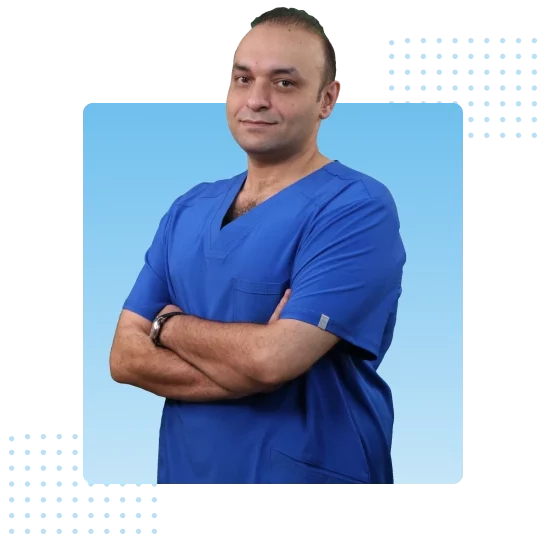
For consultations regarding Rhinoplasty, contact Dr. Armin Akbari, Specialist in Otorhinolaryngology and Facial Plastic Surgery.
Frequently Asked Questions
Generally, no. Most reputable surgeons prioritize safety. Your deposit is usually held for the rescheduled date. Always check the specific clinic policy.
Typically, surgeons require you to be symptom-free for 2 to 3 weeks to ensure your airway and lungs are fully recovered.
Yes, call your surgeon. Even mild symptoms can flare up under anesthesia. Let the medical team make the safety call.
It may not increase “pain,” but it increases discomfort. Congestion combined with internal nasal splints means mouth-breathing is inevitable, leading to a dry throat. Hydration is key.