Are you experiencing difficulty breathing through your nose? Have you noticed a reduced sense of smell? These symptoms may indicate nasal polyps. Nasal polyps are soft, noncancerous growths that develop inside the nasal passages and can significantly affect quality of life.
Fortunately, modern medicine offers a minimally invasive and highly effective treatment called Functional Endoscopic Sinus Surgery (FESS). This advanced technique helps restore comfortable breathing and improve the sense of smell with exceptional precision.
In this comprehensive guide from Dr. Armin Akbari, ENT specialist and facial plastic surgeon, we review everything you need to know about endoscopic nasal polyp surgery, from diagnosis to long-term postoperative care.
What Is Nasal Endoscopy?
To better understand endoscopic sinus surgery, it is important to first understand nasal polyps. Nasal polyps are soft, noncancerous tissue growths that usually appear pale yellow or gray. These growths form as a result of chronic inflammation inside the nasal passages or sinus cavities.
Nasal endoscopy is an essential tool for diagnosing and treating this condition. The procedure uses a thin tube called an endoscope, equipped with a high-definition camera and light source. The endoscope allows the surgeon to examine the inside of the nose and sinuses with excellent accuracy and detail.
Endoscopic technology has been used successfully for more than three decades in the treatment of sinus diseases and nasal polyps.
Symptoms and Signs of Nasal Polyps
Small nasal polyps may not cause noticeable symptoms. However, as they enlarge and block the nasal passages, patients may experience several problems.
Common symptoms of nasal polyps include:
- Difficulty breathing through the nose
- Reduced or complete loss of smell and taste
- Facial pressure and sinus pain
- Persistent nasal discharge
- Chronic snoring
- Frequent headaches
- Chronic cough
Certain conditions increase the risk of developing nasal polyps, including:
- Chronic allergies
- Chronic sinusitis
- Aspirin sensitivity
- Genetic disorders such as cystic fibrosis
How Are Nasal Polyps Diagnosed?
Accurate diagnosis of nasal polyps should be performed by an ENT specialist. During the examination, the physician uses a nasal endoscope to directly inspect the nasal cavities and confirm the presence of polyps.
For more detailed evaluation, a CT scan of the sinuses is usually required. CT imaging helps determine the size, location, and extent of the polyps inside the sinus cavities and assists the surgeon in planning the surgical procedure safely and accurately.
In some cases, especially when the appearance of the polyp is unusual, a biopsy may be performed to rule out malignancy.
Benefits of Endoscopic Sinus Surgery (FESS)
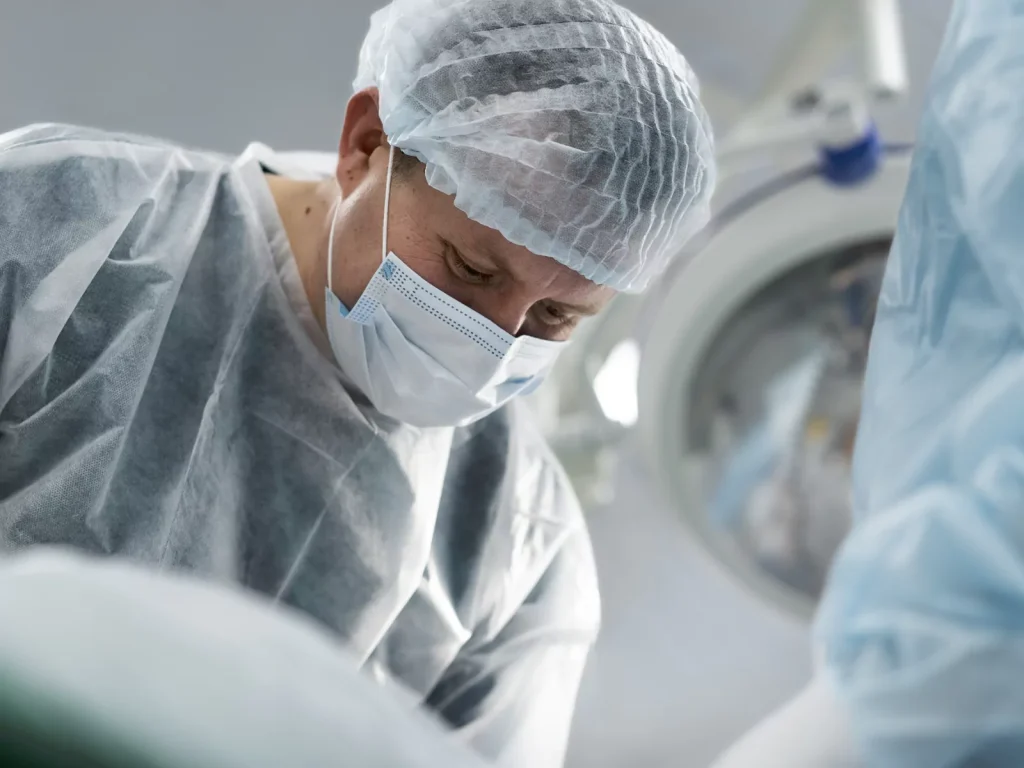
Functional Endoscopic Sinus Surgery (FESS) is designed to remove nasal polyps and restore normal sinus drainage pathways. When medications fail to control symptoms, surgery becomes the most effective treatment option.
Advantages of endoscopic sinus surgery include:
- Improved nasal breathing and restored sense of smell
- Reduced frequency of sinus infections
- Minimally invasive technique without external incisions
- High surgical precision using magnified endoscopic visualization
- Faster recovery and fewer complications
- Lower recurrence rate compared to traditional surgical methods
This procedure significantly improves sleep quality and overall quality of life.
Preparation Before Endoscopic Surgery
Proper preoperative preparation is essential for surgical safety and minimizing complications.
Before surgery, patients are usually instructed to:
- Avoid eating or drinking for at least 8 hours before surgery
- Stop aspirin, ibuprofen, NSAIDs, and blood-thinning medications under physician supervision
- Discontinue supplements such as vitamin E, fish oil, garlic, and herbal medications
- Complete preoperative blood tests and medical evaluations
- Stop smoking at least 3 to 4 weeks before surgery
Smoking can delay healing and increase the risk of scar tissue formation
Steps of Endoscopic Nasal Polyp Surgery
۱- Anesthesia
Endoscopic sinus surgery is usually performed under general anesthesia to ensure patient comfort. The procedure typically lasts between 30 and 90 minutes.
۲- Insertion of the Endoscope
The surgeon inserts a thin endoscope through the nostrils. The camera provides high-resolution images of the nasal passages and sinus cavities on a surgical monitor.
۳- Removal of Nasal Polyps
Using specialized surgical instruments, the surgeon carefully removes the nasal polyps and inflamed tissue that block airflow and sinus drainage.
The entire process is performed under direct endoscopic visualization, allowing maximum precision while preserving healthy surrounding tissues.
۴- Enlargement of Sinus Openings
One of the most important parts of FESS is enlarging the natural sinus openings to improve ventilation and drainage.
This step also helps postoperative medications and nasal sprays reach the sinus cavities more effectively, reducing the risk of recurrence.
Recovery and Postoperative Care
Endoscopic sinus surgery is generally performed as an outpatient procedure, meaning patients can usually return home on the same day.
Most patients return to light daily activities within 7 to 10 days.
Important postoperative care instructions include:
- Resting with the head elevated
- Using prescribed pain medications
- Avoiding aspirin and NSAIDs after surgery
- Performing regular saline nasal irrigation
- Avoiding heavy exercise, bending, and forceful nose blowing
- Attending regular follow-up visits
Complete healing of the sinus tissues may take up to two months.
Bleeding and Possible Complications
Mild bleeding or blood-tinged nasal drainage during the first 24 to 48 hours after surgery is normal.
Serious complications are rare but may include:
- Severe bleeding
- Persistent fever
- Severe facial pain
- Vision changes
- Swelling around the eyes
- Leakage of clear fluid from the nose
Patients experiencing these symptoms should contact their surgeon immediately.
How to Prevent Nasal Polyp Recurrence
One of the major challenges in treating nasal polyps is the possibility of recurrence. Because nasal polyps are associated with chronic inflammation, surgery alone is not considered a permanent cure.
To reduce the likelihood of recurrence, patients should:
- Use steroid nasal sprays regularly
- Continue saline nasal irrigation
- Attend long-term follow-up appointments with their ENT specialist
- Properly manage allergies and chronic sinus inflammation
Consistent postoperative care plays a critical role in maintaining surgical results.
Final Thoughts
Endoscopic nasal polyp surgery (FESS) is a safe, precise, and highly effective treatment for patients suffering from chronic nasal obstruction and sinus disease caused by nasal polyps.
This minimally invasive procedure significantly improves breathing, restores the sense of smell, and enhances overall quality of life.
Dr. Armin Akbari performs advanced endoscopic sinus surgery using modern surgical techniques and personalized treatment plans for each patient.
Frequently Asked Questions About Endoscopic Nasal Polyp Surgery
No. Because nasal polyps are associated with chronic inflammation, recurrence is possible. Long-term medical care and follow-up are essential.
Most patients can return to light activities within 7 to 10 days, while complete healing may take up to two months.
No. The surgery is performed entirely through the nostrils without external incisions, so there are no visible facial scars.